NEWS

LATEST Highlights from MiningWorld Russia 2026: A Successful Showcase in Moscow

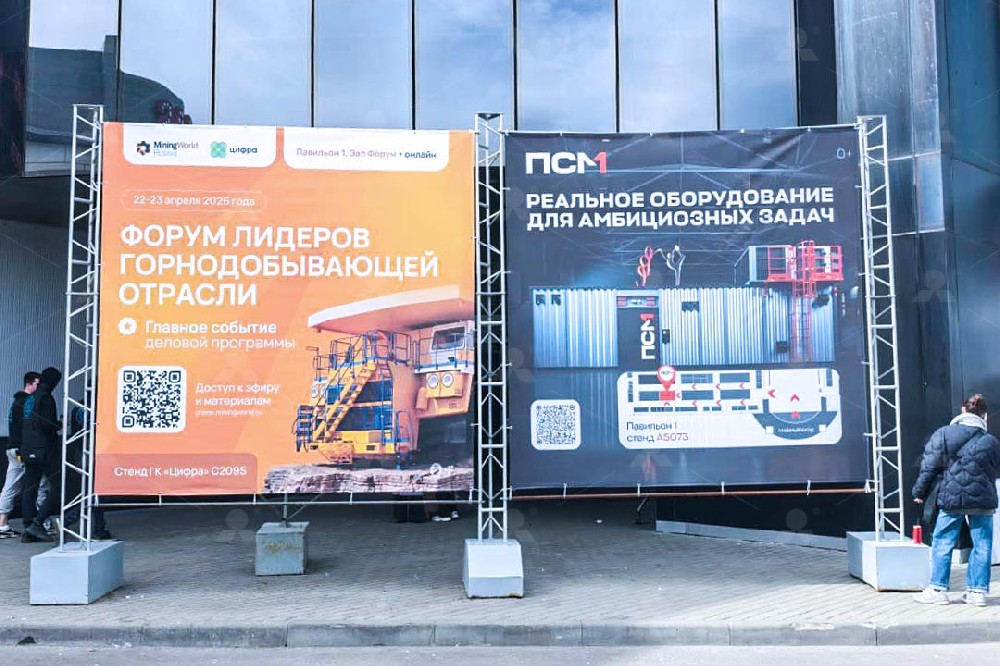
We are pleased to announce the successful conclusion of our participation in MiningWorld Russia 2026, the largest international exhibition for mining equipment, technologies, and services in Russia.

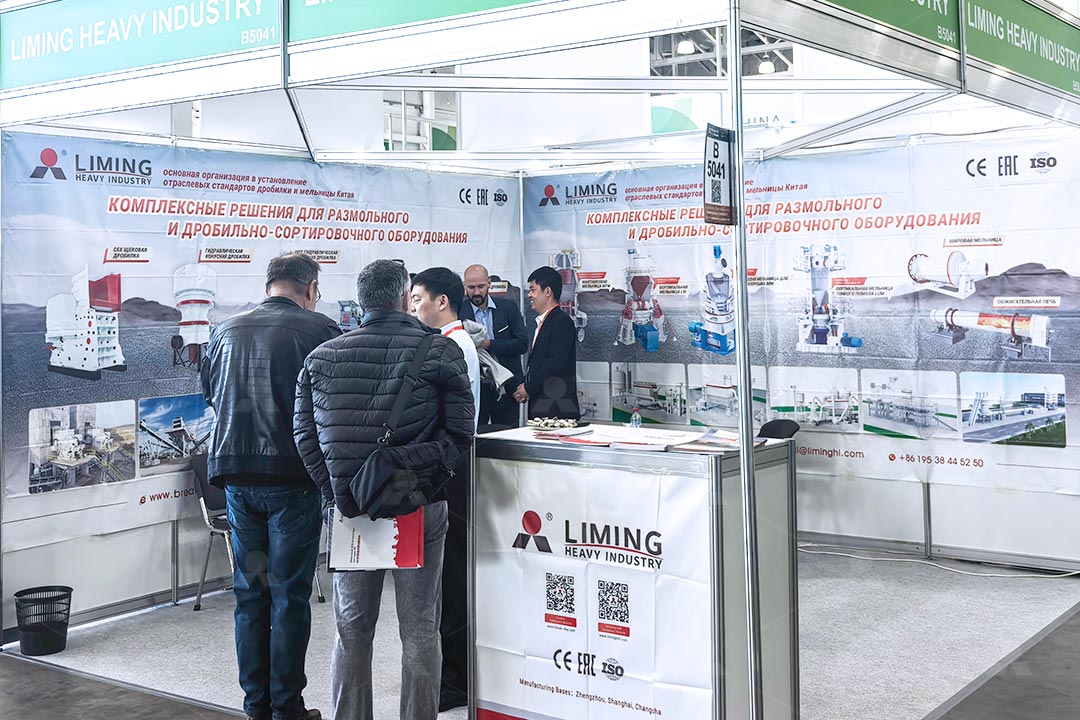
Held from April 22–24 at the Crocus Expo IEC, Pavilion 1, our team had the honor of welcoming hundreds of visitors to our booth B5041. The event provided an excellent platform to demonstrate our commitment to the mining sector and engage with key stakeholders in the industry.

Event Highlights:

  • Strong Engagement: Our technical experts held in-depth discussions with potential clients and partners regarding mining solutions.


  • Product Showcase: We displayed our core products, attracting significant interest from local mining enterprises.


  • Networking: We established valuable connections that will help us better serve the Russian market.


We are excited to share that high-resolution photos from the exhibition have just arrived! You can view the gallery [here/attached] to see the energy and excitement from our booth.

03.jpg06.jpg


Looking to Connect?

If you missed us at the show or would like to discuss business opportunities, please feel free to contact our representatives directly via WhatsApp or phone:

  • Konstantin Guo

    📱 +86 186 2558 8441


  • Sasha Du

    📱 +86 135 9883 0486


Thank you to everyone who made this event a success. We look forward to seeing you again next year!


Previous News

24/4/2026

24/4/2026

Highlights from MiningWorld Russia 2026: A Successful Showcase in Moscow

We are pleased to announce the successful conclusion of our participation in MiningWorld Russia 2026, the largest international exhibition for mining equipment, technologies, and services in Russia.

Held from April 22–24 at the Crocus Expo IEC, Pavilion 1, our team had the honor of welcoming hundreds of visitors to our booth B5041. The event provided an excellent platform to demonstrate our commitment to the mining sector and engage with key stakeholders in the industry.

Event Highlights:

  • Strong Engagement: Our technical experts held in-depth discussions with potential clients and partners regarding mining solutions.


  • Product Showcase: We displayed our core products, attracting significant interest from local mining enterprises.


  • Networking: We established valuable connections that will help us better serve the Russian market.


We are excited to share that high-resolution photos from the exhibition have just arrived! You can view the gallery [here/attached] to see the energy and excitement from our booth.

03.jpg06.jpg


Looking to Connect?

If you missed us at the show or would like to discuss business opportunities, please feel free to contact our representatives directly via WhatsApp or phone:

  • Konstantin Guo

    📱 +86 186 2558 8441


  • Sasha Du

    📱 +86 135 9883 0486


Thank you to everyone who made this event a success. We look forward to seeing you again next year!


17/4/2026

17/4/2026

Practical Ways to Reduce Operating Costs in Aggregate Crushing Plants

In today’s competitive aggregate and construction markets, profit margins are under constant pressure. While increasing production is one approach, experienced operators know that controlling operating costs is often more effective and sustainable.

Here are five proven strategies widely used in modern crushing plants.

1. Optimize the Feed Size and Gradation

Feeding oversized or uneven material into a crusher leads to:

  • Reduced efficiency

  • Increased wear

  • Higher energy consumption

Installing a proper pre-screening system can remove fine materials before crushing, allowing the crusher to focus only on what actually needs processing. This simple adjustment can improve overall efficiency by 10–15%.

2. Choose the Right Crushing Stage Configuration

A well-balanced crushing circuit reduces unnecessary load on each machine.

Typical optimized setups include:

  • Jaw + cone (for hard rock)

  • Jaw + impact (for softer materials)

  • Multi-stage crushing with screening loops

Improper configuration often results in one machine becoming a bottleneck, forcing others to operate below capacity.

3. Control Wear Parts Consumption

Wear parts are one of the largest ongoing costs in crushing operations.

To reduce replacement frequency:

  • Use the correct material grade (Mn steel, alloy, etc.)

  • Maintain consistent feed conditions

  • Avoid overloading or uneven feeding

  • Rotate liners regularly

Tracking wear life data helps predict replacement cycles and avoid emergency shutdowns.

4. Improve Automation and Monitoring

Manual operation increases the risk of human error and inconsistent performance.

Modern crushing plants increasingly use:

  • PLC control systems

  • Real-time production monitoring

  • Automatic load adjustment

These systems help maintain optimal operating conditions and reduce unnecessary energy consumption.

5. Minimize Downtime Through Preventive Maintenance

Unexpected shutdowns are often the most expensive problem.

A structured maintenance plan should include:

  • Daily inspections

  • Scheduled lubrication

  • Vibration and temperature monitoring

  • Early fault detection

Many operators underestimate how much downtime impacts profitability. In reality, even a few hours of stoppage can outweigh savings from cheaper equipment.

Conclusion

Reducing operating costs is not about cutting corners—it’s about improving efficiency at every stage of the process.

From feed control to maintenance planning, small adjustments can lead to significant savings over time. The most successful operations are those that treat cost control as a continuous process, not a one-time effort.


16/4/2026

16/4/2026

How to Choose the Right Crushing Equipment for Your Mining Project

Selecting the right crushing equipment is one of the most critical decisions in a mining project. It directly impacts production efficiency, operating costs, and long-term profitability. Yet many projects still face issues like over-investment, under-capacity, or frequent downtime—often due to poor equipment selection at the early stage.

This guide outlines the key factors that experienced operators consider before finalizing a crushing solution.

1. Understand Your Material Characteristics

Not all rocks behave the same under compression. Before choosing a crusher, you need a clear understanding of:

  • Hardness (e.g., granite vs. limestone)

  • Abrasiveness (affects wear parts consumption)

  • Moisture content (risk of clogging)

  • Feed size distribution

For example, highly abrasive materials like basalt will significantly increase liner wear in impact crushers, making jaw + cone combinations a more cost-effective choice over time.

2. Define Your Production Targets Clearly

Capacity is not just about tons per hour—it must match your actual operational conditions.

Ask yourself:

  • What is the required hourly and daily output?

  • Is production continuous or intermittent?

  • Are there peak demand periods?

A common mistake is selecting equipment based on theoretical capacity rather than real working capacity. A safety margin of 10–20% is usually recommended to handle fluctuations.

3. Determine the Final Product Requirements

End-product size and shape play a decisive role in equipment selection.

  • Coarse aggregates → Jaw crusher is sufficient

  • Medium aggregates → Cone crusher preferred

  • High-quality cubic shape (for concrete/asphalt) → Impact crusher or VSI

If your project supplies high-grade concrete, investing in shaping equipment is not optional—it directly affects your product competitiveness.

4. Consider Mobility vs. Stationary Setup

The choice between stationary and mobile crushing plants depends on project duration and site conditions.

  • Stationary plants: Suitable for long-term, high-capacity operations

  • Mobile crushers: Ideal for short-term projects, scattered sites, or urban construction

In recent years, more contractors are shifting toward mobile solutions to reduce transportation costs and improve flexibility, especially in infrastructure and demolition projects.

5. Evaluate Total Cost of Ownership (TCO)

Focusing only on initial purchase cost often leads to higher expenses later.

A proper evaluation should include:

  • Wear parts consumption

  • Energy consumption

  • Maintenance frequency

  • Downtime risk

  • Labor requirements

In many cases, a slightly higher upfront investment can reduce operating costs by 20–30% over the equipment lifecycle.

6. After-Sales Support Matters More Than You Think

Even the best equipment will require maintenance. What separates reliable suppliers from the rest is:

  • Spare parts availability

  • Technical support response time

  • Remote diagnostics capability

  • On-site service options

Delayed support can stop an entire production line—something no operator can afford.

Conclusion

Choosing the right crushing equipment is not about buying the most advanced machine—it’s about selecting a system that fits your material, production goals, and operating conditions.

A well-designed crushing solution will not only improve efficiency but also stabilize your long-term operating costs and reduce unexpected risks.


10/4/2026

10/4/2026

How to Lower Wear Parts Cost in Aggregate Plants

In aggregate production, wear parts are one of the most significant ongoing operating costs. Components such as jaw plates, cone liners, mantles, blow bars, and screen media are constantly exposed to impact, abrasion, and high-pressure loads. If not properly managed, frequent replacements can increase downtime, raise cost per ton, and reduce overall plant profitability.

The good news is that wear parts cost can be significantly reduced through proper equipment selection, optimized process design, and disciplined maintenance practices.

This article outlines practical strategies to lower wear parts costs in aggregate plants while maintaining stable output and high product quality.


1. Match the Right Equipment to the Material

One of the most common reasons for excessive wear is using equipment that is not suitable for the material.

Material-based recommendations:

  • Granite / Basalt / Hard rock
    → Jaw crusher + cone crusher
    → Avoid excessive impact crushing

  • Limestone / Soft to medium-hard rock
    → Jaw crusher + impact crusher or cone crusher

  • River stone / Abrasive aggregate
    → Compression crushing + VSI shaping (if needed)

Using the correct crusher type reduces unnecessary impact stress and extends wear part life.


2. Control Feed Size and Gradation

Improper feed conditions accelerate wear and reduce crushing efficiency.

Common problems:

  • Oversized rocks entering the crusher

  • Excessive fines causing packing

  • Uneven feed distribution

Solutions:

  • Install vibrating feeders with grizzly bars

  • Pre-screen fines before crushing

  • Maintain consistent feed size

Stable feed conditions ensure smoother crushing and more uniform liner wear.


3. Optimize Crusher Settings

Incorrect crusher settings can dramatically increase wear.

Key settings to monitor:

  • Closed Side Setting (CSS)
    Overly tight CSS increases pressure and liner wear

  • Chamber profile
    Wrong chamber design causes uneven wear

  • Crusher speed
    Excessive speed may increase abrasion

Best practice:

Adjust crusher settings based on:

  • Material hardness

  • Feed size

  • Target output

Optimized settings improve both wear life and production efficiency.


4. Improve Material Flow and Plant Layout

Poor plant layout can create bottlenecks and recirculation overload, which increase wear.

Common issues:

  • Frequent crusher overload

  • Excessive recirculating load

  • Material buildup at transfer points

Solutions:

  • Balance crusher and screen capacities

  • Improve transfer chute design

  • Use closed-circuit systems

A smooth material flow reduces unnecessary crushing cycles and wear.


5. Select High-Quality Wear Materials

Wear parts material selection has a major impact on service life.

Common wear materials:

  • High manganese steel

  • Alloy steel

  • Chrome alloys

  • Composite wear materials

Selection depends on:

  • Material hardness

  • Abrasiveness

  • Impact load

High-quality wear parts may cost more initially but often reduce total replacement frequency and downtime.


6. Implement Preventive Maintenance

Wear part management should be proactive, not reactive.

Key maintenance actions:

  • Inspect wear thickness regularly

  • Rotate liners if applicable

  • Check bolt tightness

  • Monitor vibration and noise

  • Maintain lubrication systems

A preventive maintenance plan helps detect wear issues early and avoid major failures.


7. Train Operators for Correct Crusher Operation

Operator practices directly affect wear part consumption.

Common mistakes:

  • Overfeeding

  • Uneven loading

  • Ignoring warning signs

Benefits of training:

  • Better feed control

  • Timely adjustments

  • Safer operation

Well-trained operators can significantly reduce wear-related costs.


8. Use Automation and Monitoring Systems

Modern aggregate plants increasingly use automation to optimize performance.

Useful technologies:

  • Load monitoring

  • CSS automatic adjustment

  • Wear tracking sensors

  • Predictive maintenance alerts

Automation improves consistency and helps avoid conditions that accelerate wear.


Conclusion

Lowering wear parts cost in aggregate plants requires a combination of the right equipment, optimized crushing conditions, quality wear materials, and disciplined maintenance. By improving material flow, feed control, and operator practices, aggregate producers can significantly reduce cost per ton and improve plant profitability.

A strategic approach to wear management not only saves money but also ensures more stable, efficient, and sustainable production.


2/4/2026

2/4/2026

Common Jaw Crusher Problems and How to Fix Them

Jaw crushers are widely used in mining, quarrying, and construction industries due to their reliability and high crushing efficiency. However, like any heavy-duty equipment, they can encounter operational issues that affect productivity, increase downtime, and raise maintenance costs.

In this guide, we’ll explore the most common jaw crusher problems, their causes, and practical solutions to keep your equipment running smoothly.


1. Uneven Output Size

Problem:

The crushed material size is inconsistent, with too many oversized particles.

Causes:

  • Worn or uneven jaw plates

  • Improper discharge opening setting

  • Uneven feeding

Solutions:

  • Regularly inspect and replace jaw plates

  • Adjust the discharge opening according to production requirements

  • Ensure consistent and uniform feeding using a vibrating feeder


2. Low Crushing Efficiency

Problem:

The crusher output is lower than expected, affecting overall production capacity.

Causes:

  • Insufficient motor power

  • Incorrect speed or improper pulley configuration

  • Excessive material hardness or moisture

Solutions:

  • Check motor performance and electrical supply

  • Optimize pulley and speed settings

  • Pre-screen wet or sticky materials before crushing


3. Excessive Vibration

Problem:

The machine vibrates abnormally during operation, which can damage components.

Causes:

  • Loose foundation bolts

  • Uneven installation or unstable base

  • Worn bearings

Solutions:

  • Tighten all foundation and frame bolts

  • Re-level and stabilize the installation base

  • Replace worn bearings promptly


4. Jaw Plate Wear Too Fast

Problem:

Jaw plates wear out quickly, increasing operating costs.

Causes:

  • High abrasiveness of materials

  • Incorrect material feeding method

  • Poor quality jaw plates

Solutions:

  • Use high-quality, wear-resistant jaw plates

  • Avoid feeding oversized or uneven materials

  • Optimize feed distribution across the crushing chamber


5. Bearing Overheating

Problem:

Bearing temperature rises abnormally, potentially leading to failure.

Causes:

  • Insufficient lubrication

  • Contaminated lubricant

  • Excessive load or improper installation

Solutions:

  • Regularly lubricate bearings with appropriate grease

  • Keep lubrication systems clean

  • Monitor load and ensure proper alignment


6. Blockage in Crushing Chamber

Problem:

Material gets stuck in the crushing chamber, causing downtime.

Causes:

  • Wet or sticky materials

  • Overfeeding

  • Narrow discharge opening

Solutions:

  • Reduce feed rate and maintain steady feeding

  • Use pre-screening equipment for wet materials

  • Adjust discharge opening properly


7. Abnormal Noise

Problem:

Unusual noises during operation indicate potential internal issues.

Causes:

  • Loose components

  • Damaged toggle plate

  • Worn internal parts

Solutions:

  • Inspect and tighten all components

  • Replace damaged toggle plates

  • Conduct routine maintenance checks


Preventive Maintenance Tips

To minimize jaw crusher problems and extend equipment lifespan:

  • Perform regular inspections and scheduled maintenance

  • Keep a proper lubrication routine

  • Train operators for correct usage

  • Maintain stable and continuous feeding

  • Use genuine spare parts


Conclusion

Understanding common jaw crusher problems and their solutions is essential for maintaining high efficiency and reducing operational costs. By addressing issues early and implementing preventive maintenance strategies, you can significantly improve equipment performance and longevity.

If you're experiencing frequent breakdowns or planning to upgrade your crushing equipment, professional technical support can help you optimize your production line.


2/4/2026

2/4/2026

Top 5 Factors That Affect Crusher Capacity

Crusher capacity is a critical indicator in mining, quarrying, and aggregate production. It directly determines the efficiency, profitability, and return on investment of a crushing plant.

However, in real operations, many crushers fail to reach their designed capacity due to improper operation, poor material conditions, or incorrect equipment configuration.

This article outlines the top 5 factors that affect crusher capacity and provides practical insights on how to optimize performance.


1. Material Characteristics

The physical properties of the material being processed have the greatest impact on crusher capacity.

Key factors include:

  • Hardness
    Harder materials (e.g., granite, basalt) require more crushing force, reducing throughput.

  • Abrasiveness
    Highly abrasive materials accelerate wear, indirectly affecting capacity.

  • Moisture content
    Wet materials can cause blockage and reduce crushing efficiency.

  • Clay content
    Sticky materials may clog the crushing chamber and slow down production.

👉 Optimization Tip:
Always match the crusher type to the material properties to maintain stable capacity.


2. Feed Size and Gradation

Feed size directly influences how efficiently the crusher operates.

Common issues:

  • Oversized feed → Increased crushing load, lower capacity

  • Uneven feed → Reduced chamber utilization

  • Excess fines → Inefficient crushing process

Best practices:

  • Use pre-screening systems

  • Control maximum feed size

  • Ensure consistent feed gradation

👉 A well-controlled feed improves both capacity and equipment lifespan.


3. Crusher Settings (CSS and Chamber Design)

The crusher’s operational parameters significantly affect output.

Key variables:

  • Closed Side Setting (CSS)
    Smaller CSS → finer product but lower capacity
    Larger CSS → higher capacity but coarser output

  • Chamber design
    Optimized chamber profiles improve material flow and crushing efficiency

👉 Optimization Tip:
Adjust CSS according to production requirements and avoid overly tight settings.


4. Feeding Method and Material Distribution

Proper feeding is essential for achieving maximum crusher capacity.

Common problems:

  • Uneven feeding (one-sided loading)

  • Intermittent feeding

  • Overloading or underfeeding

Solutions:

  • Use vibrating feeders for controlled feeding

  • Maintain continuous material flow

  • Ensure even distribution across the crushing chamber

👉 Uniform feeding ensures full utilization of the crusher’s working area.


5. Equipment Condition and Maintenance

Crusher performance declines significantly without proper maintenance.

Critical aspects:

  • Wear condition of liners and jaw plates

  • Bearing lubrication

  • Alignment and vibration levels

  • Drive system performance

Worn components reduce crushing efficiency and lower throughput.

👉 Optimization Tip:
Implement a preventive maintenance schedule to maintain peak capacity.


Bonus Factor: System Design and Layout

Although not always considered, the overall system design also affects crusher capacity.

  • Poor layout → material bottlenecks

  • Inadequate screening → recirculation overload

  • Mismatched equipment → reduced efficiency

A well-designed crushing plant ensures smooth material flow and maximized capacity.


Conclusion

Crusher capacity is influenced by multiple factors, including material properties, feed conditions, machine settings, feeding methods, and equipment maintenance. Optimizing these variables can significantly improve production efficiency and reduce operating costs.

By understanding and controlling these key factors, operators can ensure that crushers consistently perform at their designed capacity and achieve better overall profitability.


26/3/26

26/3/26

Mobile Crushing Plants: How Flexible Solutions Boost Your Mining & Construction Profits

In modern mining and construction projects, efficiency, flexibility, and cost control are the keys to profitability. One solution that has gained massive popularity among operators worldwide is the mobile crushing plant.

But why are more and more quarry and construction site owners choosing mobile crushers over traditional stationary equipment? Let’s break it down.


1. Mobility Means Faster Setup and Project Flexibility

Unlike stationary crushing lines that require extensive civil work, mobile crushers can be deployed quickly.

  • Minimal site preparation

  • Fast relocation between project sites

  • Ideal for temporary quarries or construction waste projects

For contractors working on multiple sites or urban projects, this flexibility translates directly into time savings and reduced project delays, which means more revenue.


2. Integrated Design for Optimized Production

Modern mobile crushing plants combine crushing, screening, and sometimes even washing in a single, modular unit. This integrated approach offers several advantages:

  • Smooth material flow

  • Reduced bottlenecks

  • Optimized particle size distribution

The result: higher throughput and consistent product quality, which is critical for both mining operations and construction material supply.


3. Lower Operating Costs, Higher Profit Margins

Operating costs often determine whether a project is profitable. Mobile crushers help reduce:

  • Transportation costs (they can process material near the source)

  • Labor costs (fewer operators needed)

  • Maintenance downtime (modern units are easier to service)

A well-maintained mobile crusher often pays for itself in months through savings and additional production.


4. Adaptable to Multiple Materials

From hard granite and basalt to softer limestone and recycled concrete, mobile crushers can handle a wide range of materials. This versatility allows operators to:

  • Switch between projects easily

  • Expand business into new materials or recycling markets

  • Maximize return on investment without additional equipment purchases


5. Choosing the Right Mobile Crusher

Selecting the best mobile crushing plant depends on several factors:

  • Material type and hardness: Not all crushers handle hard rock equally.

  • Required production capacity: From 100 to 1000+ tons per hour.

  • Site conditions: Terrain, space, and accessibility.

  • End-product requirements: Particle size, gradation, and market standards.

Investing time in proper selection ensures long-term profitability and avoids costly downtime or rework.


Conclusion: Mobility + Efficiency = Profit

In today’s fast-moving mining and construction markets, mobility isn’t just a convenience—it’s a competitive advantage.

A mobile crushing plant:

  • Reduces project downtime

  • Increases output

  • Lowers operating costs

  • Expands business opportunities

For owners looking to maximize profits, choosing the right mobile crusher is no longer optional—it’s essential.


Call to Action

Planning a new mining or construction project? Share your material type, capacity requirements, and site conditions with us, and we’ll help you design a high-efficiency mobile crushing solution tailored to your needs.


26/3/26

26/3/26

How Much Profit Can the Right Crusher Generate for Your Operation?

In mining and construction projects, choosing the right crusher is not just a technical decision—it is a financial one.

Many business owners focus on the initial purchase price. However, experienced operators understand a key principle:

A crusher is not a cost — it is a long-term profit generator.

This article breaks down how the right crushing equipment directly impacts your profitability.


1. The Hidden Cost of Choosing the Wrong Crusher

A poorly selected crusher can silently reduce your profits through:

  • Lower-than-expected production capacity

  • Frequent downtime and maintenance

  • High wear part consumption

  • Inconsistent product quality

In many cases, projects struggle not because of market demand—but because the equipment limits performance.


2. Three Ways a High-Performance Crusher Increases Profit

2.1 Higher Throughput = Higher Revenue

Even a small increase in capacity can significantly impact revenue.

For example:

  • Original capacity: 200 TPH

  • Optimized capacity: 260 TPH

  • Profit per ton: $2–$5

That’s an additional:

  • 60 tons/hour

  • $120–$300 extra per hour

Over time, this translates into substantial gains.


2.2 Reduced Downtime and Maintenance Costs

Unexpected shutdowns are one of the biggest hidden losses in crushing operations.

Reliable crushers help you:

  • Minimize unplanned downtime

  • Reduce maintenance frequency

  • Lower labor and repair costs

Every hour of downtime is lost production—and lost profit.


2.3 Better Product Quality = Higher Selling Price

Crusher performance directly affects the final product:

  • Poor particle shape → lower market value

  • Excess fines → customer dissatisfaction

  • Uneven gradation → limited applications

High-quality aggregates can command $1–$3 more per ton, depending on the market.


3. Key Factors to Consider When Selecting a Crusher

Instead of asking “How much does it cost?”, the better question is:

👉 “How much value will it generate?”

Here are four critical factors:

3.1 Real Operating Capacity

Focus on actual performance under your working conditions—not just nameplate capacity.


3.2 Material Compatibility

Different materials require different crushers:

  • Hard rock (granite, basalt)

  • Medium hardness (limestone)

  • Recycled materials (construction waste)

Choosing the wrong type leads to inefficiency and wear.


3.3 System Integration

A crusher is only one part of the production line.

Efficiency depends on:

  • Feeding system

  • Crushing stages

  • Screening setup

A well-balanced system eliminates bottlenecks.


3.4 Operating and Maintenance Costs

Evaluate long-term costs, including:

  • Wear parts lifespan

  • Replacement cost

  • Ease of maintenance

Lower operating costs mean higher margins.


4. Why Mobile Crushing Plants Are Gaining Popularity

In recent years, more operators are turning to mobile crushing solutions.

Key advantages include:

  • No need for complex civil construction

  • Fast setup and relocation

  • Flexible for multiple project sites

  • Shorter return on investment

Mobile crushers are especially suitable for:

  • Construction waste recycling

  • Temporary quarry projects

  • Urban infrastructure development


5. Conclusion: Invest in Performance, Not Just Equipment

Cutting costs on equipment may seem attractive at first—but it often leads to higher expenses later.

The real question is:

👉 Will this crusher improve my long-term profitability?

Keep in mind:

The cheapest machine is rarely the most economical choice. The right machine is.


Need Help Selecting the Right Crusher?

If you are planning a project, feel free to share:

  • Material type

  • Required capacity

  • Site conditions

Our team can help you design a cost-effective and profit-oriented crushing solution tailored to your operation.


  • Home
  • Prev
  • 12345···
  • Last
Clicky