NEWS

LATEST Mining Equipment Maintenance: 10 Ways to Reduce Downtime and Extend Equipment Service Life

Mining and quarry equipment operates under heavy loads, abrasive materials, dust, vibration, and long working hours. Without a proper maintenance strategy, even a well-designed crushing plant can experience unexpected downtime, higher wear-part consumption, and rising operating costs.

For crushers, vibrating screens, feeders, and conveyors, preventive maintenance is usually more cost-effective than waiting for a major failure. A structured maintenance program helps identify problems early, maintain stable production, and extend equipment service life.

This guide covers 10 practical ways to improve mining equipment maintenance and reduce unplanned downtime.

What Is Mining Equipment Maintenance?

Mining equipment maintenance is the regular inspection, servicing, adjustment, and replacement of components used in mining and quarrying equipment.

In a typical crushing and screening plant, maintenance may include:

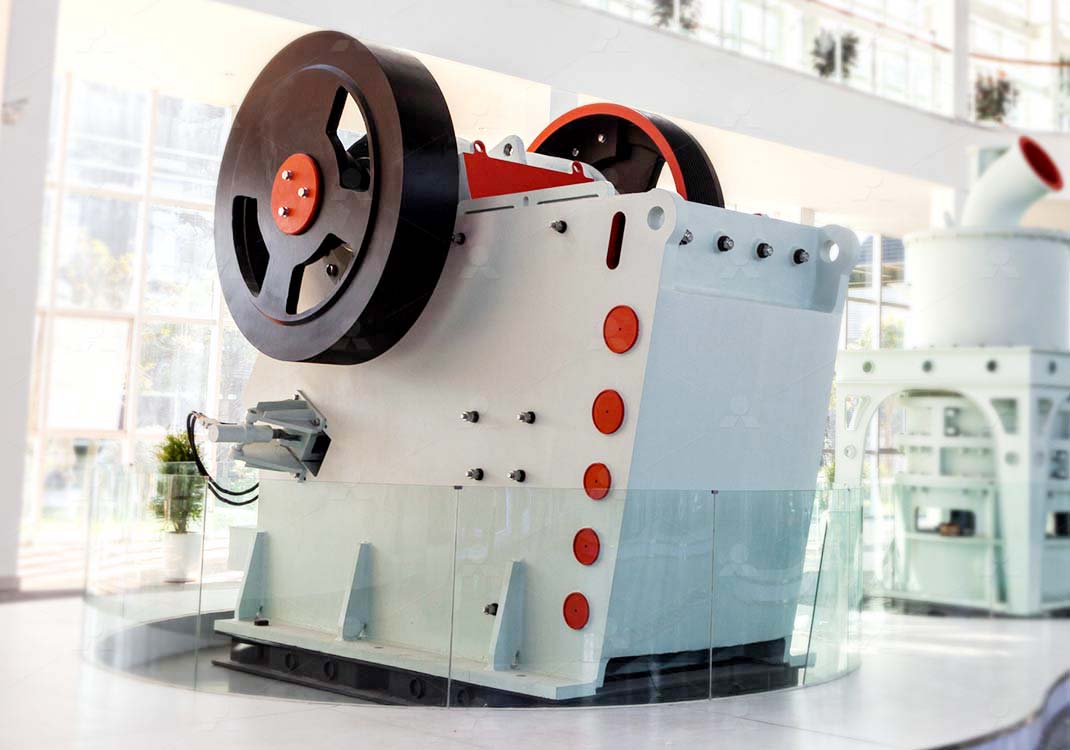
  • Jaw crusher inspection and maintenance

  • Cone crusher lubrication and wear-part inspection

  • Vibrating screen maintenance

  • Feeder inspection

  • Conveyor belt and pulley maintenance

  • Bearing inspection

  • Hydraulic system maintenance

  • Electrical and control system inspection

  • Wear-part replacement

  • Cleaning and lubrication

The goal is not simply to repair equipment after it breaks. Effective maintenance focuses on preventing failures before they affect production.

Why Is Preventive Maintenance Important in Mining?

Unexpected equipment failure can stop an entire production line.

For example, if a critical crusher stops operating, the downstream screening and conveying systems may also have to stop. The resulting loss is not limited to the cost of repairing the crusher. Production losses, labor costs, spare parts, and restart time can also increase the total cost.

Preventive maintenance helps mining operators:

  • Reduce unplanned downtime

  • Improve equipment availability

  • Extend component service life

  • Reduce emergency repair costs

  • Control spare-parts consumption

  • Maintain stable production capacity

  • Improve workplace safety

For high-capacity crushing plants, these benefits can have a significant impact on overall operating costs.

10 Ways to Improve Mining Equipment Maintenance

1. Establish a Regular Inspection Schedule

The first step is to create a clear inspection schedule for every major machine.

Daily inspections can focus on visible problems such as:

  • Oil leakage

  • Abnormal noise

  • Excessive vibration

  • Loose bolts

  • Damaged guards

  • Abnormal temperature

  • Conveyor belt deviation

  • Screen media damage

Weekly and monthly inspections can then cover components that require more detailed checks.

A written inspection checklist makes it easier for operators and maintenance teams to identify changes in equipment condition.

2. Monitor Crusher Wear Parts

Crusher wear parts are directly exposed to abrasive material and gradually lose their original profile.

For jaw crushers, important wear components include jaw plates.

For cone crushers, operators should pay close attention to the mantle, bowl liner, and other wear components.

Continuing to operate with severely worn liners can affect:

  • Crushing efficiency

  • Product shape

  • Product size distribution

  • Energy consumption

  • Crusher capacity

Wear parts should therefore be inspected regularly and replaced according to actual operating conditions rather than waiting for a sudden failure.

3. Maintain the Lubrication System

Proper lubrication is essential for many mining machines.

Insufficient, contaminated, or unsuitable lubricant can accelerate component wear and increase operating temperature.

A lubrication maintenance program should include:

  • Checking lubricant levels

  • Using the recommended lubricant

  • Monitoring oil temperature

  • Checking for contamination

  • Inspecting oil lines and seals

  • Replacing lubricant at the appropriate intervals

For cone crushers and other equipment with sophisticated lubrication systems, operators should pay particular attention to abnormal oil pressure and temperature.

4. Inspect Bearings Regularly

Bearings are critical components in crushers, vibrating screens, conveyors, and other rotating equipment.

Early signs of bearing problems may include:

  • Abnormal noise

  • Increased temperature

  • Excessive vibration

  • Lubricant leakage

  • Unusual movement

Ignoring these warning signs can result in more serious mechanical damage.

Regular inspection and correct lubrication can significantly reduce the risk of unexpected bearing failure.

5. Check Vibrating Screen Components

Vibrating screens operate continuously under dynamic loads, making regular inspection particularly important.

Maintenance teams should inspect:

  • Screen media

  • Bearings

  • Springs

  • Side plates

  • Drive components

  • Bolted connections

  • Structural components

Loose bolts or damaged components can cause abnormal vibration and may eventually lead to more serious structural problems.

Screen media should also be replaced when wear begins to affect screening efficiency.

6. Keep Feed Conditions Stable

Equipment maintenance is not limited to mechanical inspection.

Incorrect feed conditions can also increase equipment wear.

For example, feeding a crusher with material larger than its recommended feed size can increase mechanical stress. Uneven feeding can also reduce crushing and screening efficiency.

A stable feed system helps maintain consistent operating conditions and can reduce unnecessary equipment stress.

This is why feeders, hoppers, and material distribution systems should be included in the overall maintenance program.

7. Inspect Conveyor Systems

Conveyors often operate continuously for long periods, making small problems easy to overlook.

Regular conveyor inspection should include:

  • Belt condition

  • Belt alignment

  • Idlers

  • Pulleys

  • Bearings

  • Scrapers

  • Take-up systems

  • Drive units

A damaged or misaligned conveyor belt can cause material spillage, production interruptions, and additional maintenance work.

Early correction is generally much easier than repairing a major conveyor failure after production has stopped.

8. Manage Spare Parts Before They Are Needed

A maintenance strategy is incomplete without spare-parts planning.

Critical spare parts should be identified based on:

  • Equipment type

  • Operating hours

  • Material abrasiveness

  • Replacement frequency

  • Supplier lead time

  • Production importance

Common spare and wear parts may include jaw plates, cone crusher liners, screen media, conveyor components, bearings, belts, and lubrication-system components.

Keeping critical parts available can significantly reduce repair time when unexpected problems occur.

9. Record Equipment Operating Data

Maintenance decisions become more effective when they are based on actual operating data.

Useful information includes:

  • Operating hours

  • Production capacity

  • Motor current

  • Lubricant temperature

  • Bearing temperature

  • Vibration levels

  • Wear-part service life

  • Maintenance history

  • Failure frequency

Comparing current data with historical records can help identify abnormal trends before they become major problems.

For larger mining operations, condition monitoring and digital maintenance systems can further improve equipment management.

10. Train Operators to Identify Early Problems

Operators are often the first people to notice changes in equipment performance.

They should know how to identify common warning signs such as:

  • Unusual vibration

  • Changes in machine noise

  • Increasing temperature

  • Reduced crushing capacity

  • Abnormal product size

  • Oil leakage

  • Increased power consumption

A small problem reported early may require only a simple adjustment or component replacement. The same problem ignored for several weeks could result in an extended shutdown.

Preventive Maintenance vs. Reactive Maintenance

Mining operations generally use two basic maintenance approaches.

Maintenance StrategyMain CharacteristicTypical Result
Reactive maintenanceRepair equipment after failureHigher downtime and emergency repair costs
Preventive maintenanceInspect and service equipment regularlyBetter reliability and predictable maintenance
Condition-based maintenanceMaintain equipment based on actual conditionMore targeted maintenance and better resource utilization

For modern crushing and screening plants, preventive and condition-based maintenance can be combined to create a more efficient maintenance strategy.

How Maintenance Affects Crusher Operating Costs

Equipment maintenance has a direct relationship with the cost per tonne of production.

Poor maintenance can lead to:

More wear → More downtime → Lower output → Higher cost per tonne

A well-maintained plant can work toward:

Regular inspection → Early problem detection → Stable operation → Higher availability → Lower operating cost

This does not mean every component should simply be replaced as early as possible. Over-maintenance can also increase costs.

The objective is to find the right balance between equipment condition, component service life, production requirements, and maintenance cost.

A Practical Maintenance Checklist for Crushing Plants

A basic crushing plant maintenance checklist can include:

Daily

  • Check oil and hydraulic systems

  • Inspect for leakage

  • Check abnormal noise and vibration

  • Inspect belts and guards

  • Check screen media

  • Remove accumulated material around equipment

Weekly

  • Inspect bolts and structural components

  • Check bearings

  • Inspect conveyor components

  • Check feeder condition

  • Review equipment operating data

Monthly

  • Inspect crusher wear parts

  • Check lubrication system condition

  • Inspect screen structure and drive components

  • Review spare-parts inventory

  • Analyze maintenance records

The exact maintenance interval should always follow the equipment manufacturer's recommendations and the actual working conditions.

How to Reduce Mining Equipment Downtime

Reducing downtime requires more than repairing equipment quickly.

A better strategy is to combine:

Proper equipment selection + correct installation + stable operation + preventive maintenance + spare-parts management

Equipment should be selected according to the material characteristics and required production capacity from the beginning.

For example, highly abrasive granite, hard iron ore, and wet sticky materials can require different equipment configurations and maintenance strategies.

The better the equipment matches the application, the easier it is to maintain stable production over the long term.

Maintenance Is Part of Crushing Plant Design

Maintenance requirements should be considered during the plant design stage.

A well-designed crushing plant should provide reasonable access for:

  • Wear-part replacement

  • Lubrication

  • Inspection

  • Equipment cleaning

  • Maintenance tools

  • Component removal

Easy maintenance access can reduce service time and improve overall equipment availability.

For large mining and aggregate projects, maintenance planning should therefore be considered together with capacity, equipment selection, material flow, and plant layout.

Frequently Asked Questions

How often should mining equipment be maintained?

The maintenance interval depends on the equipment type, operating hours, material characteristics, and working environment. Daily inspections should generally be combined with scheduled weekly, monthly, and periodic maintenance.

What is the most important part of crusher maintenance?

There is no single component that is most important for every crusher. Lubrication, wear-part condition, bearings, feed conditions, and operating parameters all have a major influence on crusher performance and service life.

How can crusher downtime be reduced?

Regular inspections, proper lubrication, timely wear-part replacement, stable feeding, condition monitoring, and sufficient spare-parts inventory can help reduce unplanned crusher downtime.

When should crusher wear parts be replaced?

Wear parts should be replaced when their condition begins to affect crushing performance, product quality, capacity, or safe operation. The replacement interval varies according to material abrasiveness, feed characteristics, operating hours, and crusher settings.

Is preventive maintenance cheaper than emergency repair?

In many mining applications, preventive maintenance can reduce the risk and cost of major failures. It also makes maintenance work more predictable and helps minimize production interruptions.

Conclusion

Mining equipment maintenance is a key part of achieving stable and cost-effective production.

Regular inspection, proper lubrication, wear-part management, bearing monitoring, conveyor maintenance, spare-parts planning, and operator training can all help reduce unplanned downtime and extend equipment service life.

For a complete crushing and screening plant, maintenance should not be treated as an isolated activity. Equipment selection, plant design, operating conditions, maintenance access, and spare-parts planning should work together from the beginning.

The goal is simple: keep the equipment running reliably, maintain the required production capacity, and control the cost of every tonne produced.
Previous News

12/2/2025

12/2/2025

Crusher Spare Parts Catalog- Jaws and Liners


In the world of crushing equipment, maintaining optimal performance is critical. Whether you're operating a jaw crusher, cone crusher, or impact crusher, the jaws and liners are among the most essential components that ensure efficient material processing. Over time, these parts wear down due to constant friction and pressure, leading to reduced productivity and increased downtime. That’s why having a reliable Crusher Spare Parts Catalog for jaws and liners is crucial for every operation.

In this guide, we’ll explore everything you need to know about crusher jaws and liners, including their importance, types, materials, and how to choose the right spare parts for your equipment. Let’s dive in!


Why Are Crusher Jaws and Liners So Important?

Crusher jaws and liners are the workhorses of any crushing system. They directly interact with raw materials, breaking them down into smaller, manageable sizes. Here’s why they’re indispensable:

  1. Efficiency: High-quality jaws and liners ensure consistent crushing performance, reducing energy consumption and operational costs.

  2. Durability: Made from wear-resistant materials, they withstand extreme conditions, extending the lifespan of your crusher.

  3. Cost Savings: Regularly replacing worn-out jaws and liners prevents costly damage to other crusher components.

  4. Product Quality: Properly functioning jaws and liners produce uniformly sized material, essential for downstream processes.


Types of Crusher Jaws and Liners

Crusher jaws and liners come in various designs and materials, tailored to specific applications and equipment types. Here’s a breakdown:

1. Jaw Crusher Jaws

  • Fixed Jaws: Stationary plates that provide a surface for material to be crushed against.

  • Moving Jaws: Oscillating plates that apply pressure to break down materials.

  • Cheek Plates: Side liners that protect the crusher frame from wear.

2. Cone Crusher Liners

  • Mantle Liners: The upper wear surface that gyrates to crush material.

  • Concave Liners: The stationary lower surface that works with the mantle to achieve crushing.

3. Impact Crusher Liners

  • Blow Bars: Striking components that impact and break down materials.

  • Side Liners: Protective plates that shield the crusher’s interior from wear.


Materials Used in Crusher Jaws and Liners

The material composition of jaws and liners plays a significant role in their performance and longevity. Common materials include:

  1. Manganese Steel: Known for its exceptional toughness and wear resistance, ideal for high-impact applications.

  2. High Chrome Iron: Offers superior abrasion resistance, perfect for crushing abrasive materials like granite or basalt.

  3. Martensitic Steel: Combines hardness and durability, suitable for medium-impact crushing.

  4. Composite Materials: Advanced blends that provide a balance of strength and cost-effectiveness.


How to Choose the Right Spare Parts for Your Crusher

Selecting the correct jaws and liners for your crusher is crucial for maximizing efficiency and minimizing downtime. Here’s what to consider:

  1. Crusher Model: Ensure the spare parts are compatible with your specific crusher brand and model (e.g., Metso, Sandvik, Terex).

  2. Material Type: Choose materials based on the hardness and abrasiveness of the materials you’re crushing.

  3. Operating Conditions: Consider factors like feed size, production capacity, and environmental conditions.

  4. OEM vs. Aftermarket: OEM parts guarantee compatibility, while aftermarket options often provide cost savings without compromising quality.

  5. Supplier Reputation: Work with a trusted supplier that offers certified, high-quality spare parts and reliable customer support.

Where to Find a Reliable Crusher Spare Parts Catalog

If you’re looking for a trusted source for crusher spare parts, look no further. Our Crusher Spare Parts Catalog features a wide range of high-quality jaws, liners, and wear parts for all major crusher brands. Whether you need OEM or aftermarket solutions, we’ve got you covered.

Why Choose Us?

  • Extensive inventory of crusher spare parts

  • Competitive pricing and fast shipping

  • Expert technical support and guidance

  • Custom solutions tailored to your needs


7/2/2025

7/2/2025

The Ultimate Guide to Jaw Crushers: Reliable Crushing Solutions for Your Projects

Introduction

Jaw crushers are one of the most widely used crushing machines in the mining, quarrying, and construction industries. Known for their robust design, high efficiency, and versatility, jaw crushers are ideal for primary crushing of hard and abrasive materials. Whether you’re processing granite, basalt, limestone, or other materials, jaw crushers deliver consistent performance and reliability.

In this article, we’ll explore the key features, working principles, and benefits of jaw crushers, as well as how to choose the right one for your project.


What is a Jaw Crusher?

A jaw crusher is a heavy-duty machine designed to reduce large rocks into smaller rocks, gravel, or rock dust. It consists of two vertical jaws—one fixed and one movable—that create a V-shaped cavity. The material is fed into the top of the crusher and is crushed as the movable jaw exerts force against the fixed jaw.


Key Features of Jaw Crushers

  1. High Crushing Efficiency: Jaw crushers are designed to handle large feed sizes and produce uniform output, making them ideal for primary crushing.

  2. Durable Construction: Built with high-quality materials, jaw crushers are resistant to wear and tear, ensuring long service life even in tough conditions.

  3. Versatility: Suitable for a wide range of materials, including hard and abrasive rocks, ores, and recycled concrete.

  4. Easy Maintenance: Simple design and accessible components make jaw crushers easy to maintain and repair.

  5. Adjustable Discharge Size: The output size can be adjusted to meet specific project requirements, providing flexibility for different applications.


How Does a Jaw Crusher Work?

The working principle of a jaw crusher is straightforward:

  1. Material is fed into the crushing chamber from the top.

  2. The movable jaw compresses the material against the fixed jaw, breaking it into smaller pieces.

  3. The crushed material exits through the bottom discharge opening, with the size determined by the gap between the jaws.


Applications of Jaw Crushers

Jaw crushers are used in various industries, including:

  • Mining: Crushing ores and minerals for further processing.

  • Quarrying: Producing aggregates for construction projects.

  • Recycling: Processing concrete and demolition waste for reuse.

  • Construction: Crushing rocks and stones for road building and infrastructure projects.


Why Choose Liming Jaw Crushers?

At Liming, we specialize in manufacturing high-performance jaw crushers under the Liming brand. Our jaw crushers are designed to meet the highest industry standards, offering:

  • Advanced Technology: Innovative designs for improved efficiency and productivity.

  • Custom Solutions: Tailored configurations to match your specific project requirements.

  • Global Support: Comprehensive after-sales service and technical support to ensure your equipment operates at peak performance.


How to Choose the Right Jaw Crusher
When selecting a jaw crusher, consider the following factors:

  1. Material Type: Choose a crusher that can handle the hardness and abrasiveness of your material.

  2. Production Capacity: Ensure the crusher can meet your required output (tons per hour).

  3. Feed Size: Select a crusher that can accommodate the size of your raw material.

  4. Discharge Size: Determine the desired output size for your project.

  5. Power Consumption: Opt for energy-efficient models to reduce operational costs.


Conclusion
Jaw crushers are an essential piece of equipment for any project involving material crushing. With their robust design, high efficiency, and versatility, they provide reliable solutions for a wide range of applications.

At Liming, we are committed to delivering top-quality jaw crushers and exceptional customer service. If you’re looking for a reliable crushing solution, contact us today to learn more about our products and how we can support your project.


1-230P316214Lc.jpg


1-230P316214Lc.jpgReady to find the perfect jaw crusher for your needs? Visit our website or contact our team for expert advice and customized solutions.


16/1/2025

16/1/2025

Stationary Crushing Production Line for Limestone

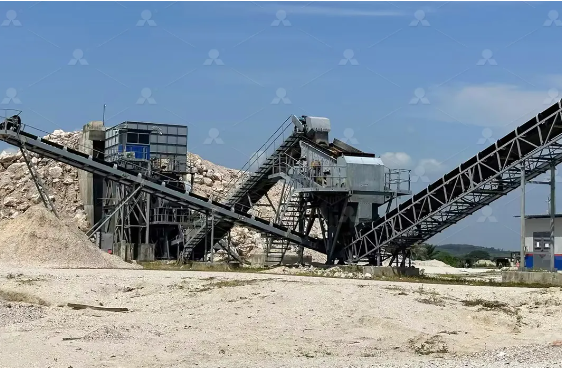
This case study presents a stationary crushing production line specifically designed for processing limestone. The production line is equipped with state-of-the-art machinery to ensure efficient and consistent crushing of limestone, meeting specific size requirements for various applications.

image.png

Material Processed:

  • Limestone

Feed Size:

  • The maximum input size of the limestone material is ≤720mm.

Output Sizes:

  • The production line is capable of producing crushed limestone in multiple sizes: 8mm, 20mm, 32mm, 50mm, and 85mm.

Production Capacity:

  • The designed hourly capacity of the production line is 300 tons per hour (T/H), ensuring high throughput and productivity.

Equipment Configuration:

  1. Hopper (Material Storage Bin):

    • The production line begins with a large hopper where the raw limestone material is stored before being fed into the crushing process. The hopper is designed to hold sufficient material to maintain continuous operation.

  2. Feeder (Feeding Machine):

    • A vibrating feeder is installed below the hopper to regulate the flow of limestone into the jaw crusher. This ensures a consistent and controlled feed rate, preventing overloading and maintaining optimal crushing efficiency.

  3. Jaw Crusher:

    • The core of the production line is a robust jaw crusher, capable of reducing the size of the limestone from ≤720mm to a more manageable size for further processing. The jaw crusher is known for its high crushing ratio and reliability.

  4. Conveyor Belt (Belt Conveyor):

    • After being crushed, the limestone is transported along a conveyor belt to the next stage of the process. The conveyor belt system is designed for durability and efficiency, ensuring smooth and continuous material flow.

  5. Vibrating Screen:

    • The crushed limestone is then passed through a vibrating screen, which separates the material into the desired size fractions (8mm, 20mm, 32mm, 50mm, and 85mm). The vibrating screen ensures precise sizing and removes any oversize or undersize particles, meeting the customer's specifications.

The stationary crushing production line for limestone, with its carefully selected equipment configuration, is capable of efficiently processing large volumes of limestone into multiple size fractions. The production line's design ensures high productivity, reliability, and precision, making it an ideal solution for various industrial applications requiring crushed limestone.


3/1/2025

3/1/2025

NK mobile crushing station demonstrates its great ability

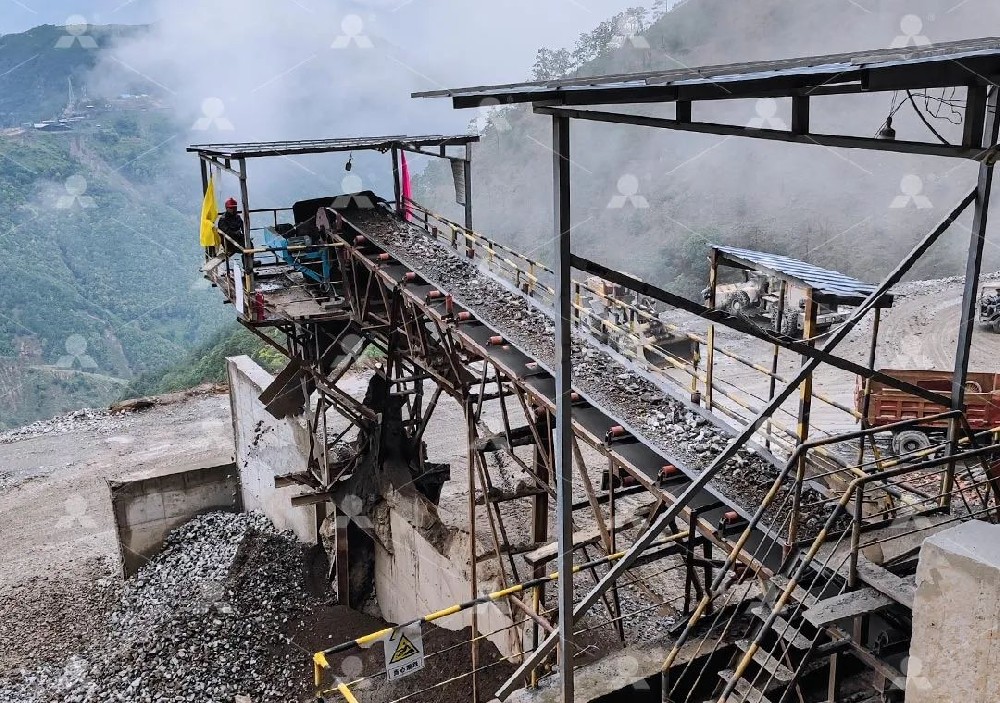
The focus of this project is the comprehensive utilization of tailings resources. The processed material is iron tailings. After crushing, the materials can be dry-selected to improve the resource recovery rate, reduce the cost of waste disposal, lower the cost of environmental governance, and achieve significant comprehensive benefits.

640.jpg


After careful comparison and consideration, the customer finally chose Liming's representative product, the NK mobile crushing station, as the core equipment to produce finished materials below 150mm. At the project site, the NK80J jaw crusher mobile vehicle has a small footprint, and the reasonable adjustable fixed leg design truly realizes foundation-free installation, ensuring "worry-free production" even on steep cliffs. Since it was put into production in 2022, the equipment on this production line has been operating well, with outstanding production capacity, continuously and steadily creating value for the customer.


25/12/2024

25/12/2024

The gorgeous transformation of crushers

Christmas is a holiday full of warmth and hope. On this beautiful day, the gorgeous transformation of Liming Heavy Industry's new core equipment adds more joy to this festive holiday.


微信截图_20241228100746.png微信截图_20241228100732.png
微信截图_20241228100720.png微信截图_20241228100656.png


Wish you a happy Christmas and a Happy New Year! 

As an international enterprise that takes the lead in going global in the field of crushing and screening and sells high-performance products to more than 180 countries and regions around the world, Liming Heavy Industry sincerely thanks customers at home and abroad for their support and trust. We will, as always, help global customers achieve career development with our professional capabilities and dedication!

20/12/2024

20/12/2024

I44R impact crusher crawler-type mobile crushing plant


Processing materials: brick -hybrid construction waste

Output: 160t/h

Feed particle size: 0-650mm

Output size: 0-40mm

_20241224113403.png

The configuration is equipped with a water pump and dust suppression system, which relieves the worries of environmental protection. Hydraulic folding to the feed, hydraulic folding transportation belt, and hydraulic regulating feeder, making the operation particularly convenient.


The device uses the I44R counterattack break -up mobile crushing station. It is equipped with a screening rebate system. One machine can complete the crushing and screening of the building solid waste. The raw materials are jointly processed by the feeder, counterattack breaking, vibration sieve and return belt to produce high -quality finished aggregate.


26/11/2024

26/11/2024

Day 1 at Bauma Exhibition- Liming Heavy Industry Unveils Major Breakthroughs

Greetings, everyone!

We're thrilled to share that on the opening day of the Bauma Exhibition, Dawn Heavy Industry showcased our latest innovations in large-scale crushing equipment—including our Impact Crushers, Cone Crushers, and Gyratory Crushers! 

The venue was buzzing with activity, as crowds flocked to our stand. Our sales managers engaged in in-depth discussions with clients, crafting tailored solutions to meet their unique needs.

微信图片_20241126161829.jpg微信图片_20241126161903.jpg
微信图片_20241126161938.jpg微信图片_20241126161954.jpg


29/10/2024

29/10/2024

Join Liming at Philconstruct 2024 for High-Efficiency Machinery

Henan Liming Heavy Industry Science and Technology Co., Ltd. will exhibit at Philconstruct 2024, November 7-10, at the World Trade Center in Manila, Philippines (Booth Wi12). As a major event for the construction, building materials, and machinery industries in Asia, Philconstruct attracts top companies and professionals globally.

Liming will showcase innovative mineral processing and aggregates crushing equipment, offering high-efficiency, eco-friendly solutions tailored for the Philippines and Asia-Pacific markets. Visit Booth Wi12 or contact our sales team at +63 977 608 5818 (Viber/WhatsApp) for collaboration opportunities.

13-24102Z94601247.jpg

Details:

  • Event: Philconstruct

  • Date: November 7-10, 2024

  • Booth No.: Wi12

  • Venue: World Trade Center, Manila, Philippines

  • Contact: Gary Zhang, Janelle Ejada

  • Tel: +63 977 608 5818 (Viber/WhatsApp)


  • Home
  • Prev
  • ···910111213···
  • Last
Clicky