

GROUP NEWS
Understanding the Cement Grinding Process Flow
Cement is a crucial building material that serves as the backbone of modern infrastructure. One of the key stages in its production is the cement grinding process, where clinker, along with other additives, is finely ground to produce the final cement product. This article will delve into the intricacies of the cement grinding process flow, shedding light on the various steps involved in transforming raw materials into the versatile and durable material we commonly use in construction.
Raw Material Preparation:The cement manufacturing process begins with the extraction of raw materials, typically limestone, clay, shale, and silica sand. These raw materials are then crushed and blended in precise proportions to form what is known as the raw meal. This raw meal serves as the feedstock for the subsequent stages of the cement production process.
Clinker Production:The raw meal undergoes a high-temperature process known as pyroprocessing, typically in a rotary kiln, to produce clinker. Clinker is the nodular material that emerges from the kiln and is then cooled, ground, and mixed with gypsum and other additives to produce cement.
Clinker Storage:After cooling, the clinker is stored in clinker silos to await the cement grinding process. This stage allows for a consistent supply of clinker to the grinding units, ensuring a steady and efficient production process.
Cement Grinding:The heart of the cement manufacturing process lies in the cement grinding units. Here, the clinker is combined with gypsum and other selected additives to produce the final cement product. The grinding process is typically performed in ball mills or vertical roller mills, which grind the clinker to a fine powder.
Ball Mills vs. Vertical Roller Mills:
Ball Mills: These are rotating cylinders with steel balls inside that crush the clinker into powder. The efficiency of ball mills is attributed to their low energy consumption and ability to grind a wide range of materials.
Vertical Roller Mills (VRMs): These mills use a set of rollers to crush and grind the clinker. VRMs are known for their higher grinding efficiency and the ability to handle materials with higher moisture content.
Particle Size Distribution:Achieving the desired particle size distribution is crucial in cement production. The grinding process aims to produce a fine and consistent powder, optimizing the cement's performance and properties. Quality control measures, such as the use of separators and classifiers, ensure the proper particle size distribution.
Cement Storage and Distribution:Once the grinding process is complete, the finely ground cement is stored in silos before being dispatched for distribution. Quality checks are conducted to ensure that the final product meets the required standards.
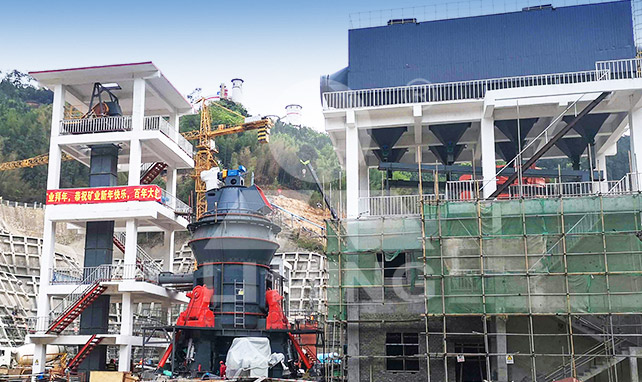
The cement grinding process is a critical stage in cement production, transforming raw materials into the final product that serves as a fundamental component in construction. Understanding the intricacies of the cement grinding process flow helps in optimizing efficiency, quality, and sustainability in the production of this essential building material. As technology advances, innovations in grinding processes continue to contribute to the evolution of the cement industry, ensuring its continued growth and adaptability to changing demands.
CONTACT US
