

GROUP NEWS
Unveiling the Significance of Activated Carbon Grinding Machines
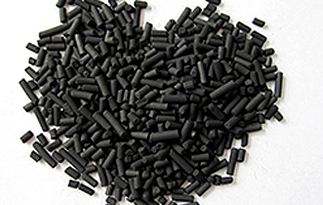
Activated carbon, renowned for its exceptional adsorption properties, serves as a cornerstone in diverse industries, from water and air purification to gold recovery and pharmaceuticals. The production of high-quality activated carbon involves a crucial step—grinding. In this brief article, we explore the essential role played by activated carbon grinding machines in transforming raw materials into the potent adsorbent we rely on daily.
 |  |
The Grinding Process:
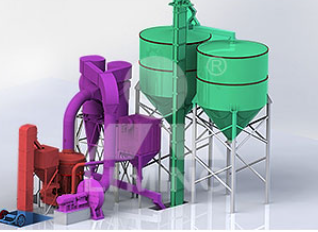
Activated carbon grinding machines are specialized equipment designed to crush and refine raw materials into the fine particles required for effective adsorption. These machines are crucial in determining the quality and efficiency of the activated carbon produced. The grinding process begins with carefully selected raw materials, such as coconut shells, wood, or sawdust, chosen for their high carbon content.
Types of Grinding Machines:
Several types of grinding machines are employed in the production of activated carbon, each designed to achieve specific outcomes:
Ball Mills: Utilizing rotating cylinders filled with grinding media, ball mills crush and grind raw materials, producing the desired particle size through impact and friction.
Hammer Mills: These machines use rotating hammers to crush and grind materials, providing versatility in handling various raw material types.
Air Classifiers: Often used in conjunction with grinding machines, air classifiers help achieve precise particle size distribution by separating particles based on size.
Precision and Efficiency:
Modern activated carbon grinding machines incorporate advanced technologies to ensure precision and efficiency. Control systems monitor and adjust parameters such as rotation speed, grinding time, and particle size distribution, contributing to the consistency and reliability of the final product.
Quality Assurance:
Quality control measures are paramount in the production of activated carbon. Rigorous testing is conducted to assess characteristics like surface area, pore size distribution, and adsorption capacity, ensuring that the activated carbon meets industry standards and application-specific requirements.
Environmental Considerations:
With a growing emphasis on sustainability, efforts are underway to develop activated carbon grinding machines that minimize energy consumption and environmental impact. Eco-friendly grinding technologies are emerging, aligning with the broader industry trend toward greener manufacturing practices.
Please leave your requirements at the bottom of this website for a free solution.
CONTACT US
Related News...
Complete Guide to Mining Crushing Plants: Equipment, Process, and Design
7/8/2026
Jaw Crusher vs Cone Crusher: Which One Is Better for Your Mining Project?
31/7/2026
How to Choose the Right Mining Equipment for Your Project
30/7/2026
Top 10 Mining Equipment Used in Modern Mining Operations
17/7/2026
5 Factors That Affect Crusher Capacity and How to Improve Output
10/7/2026
Another Milestone for Liming Heavy Industry
3/7/2026
How to Choose the Right Aggregate Gradation for Concrete Production
26/6/2026
Aggregate Size Chart Explained: Crushed Stone Sizes and Their Construction Applications
18/6/2026
