NEWS

LATEST How to Prevent Blockages in Crushing Plants: Common Causes and Practical Solutions

Blockages are among the most frustrating problems in crushing plant operations. A crusher may be correctly sized, the motor may have sufficient power, and the production line may be designed for the required capacity. Yet a single blockage at the feed hopper, crusher inlet, discharge chute, or conveyor transfer point can interrupt the entire process.

The impact goes beyond lost production time. Repeated blockages can increase equipment wear, require additional manual intervention, disrupt downstream screening, and make it difficult to maintain a consistent production rate.

For mining operations and aggregate producers, preventing blockages starts with understanding why they occur. Material properties, equipment selection, feed control, chute design, and maintenance all play a role. This guide explains the most common causes of blockages and practical ways to reduce their frequency.

1. Understand Where Blockages Occur

A crushing plant is a connected material-handling system. When material stops moving at one point, the effects can quickly spread to other equipment.

Blockages commonly occur in five areas:

  • Feed hopper: Material bridges above the outlet or sticks to the hopper walls, preventing it from reaching the feeder.

  • Crusher inlet: Oversized rocks, irregularly shaped material, or an uncontrolled feed rate interrupt normal feeding.

  • Crusher discharge: Crushed material cannot leave the chamber quickly enough, sometimes because of downstream restrictions.

  • Chutes and transfer points: Wet fines, clay, or poorly designed transitions cause material to accumulate.

  • Conveyors and screens: Excessive loading, accumulated material, or downstream equipment problems restrict material flow.

Identifying the exact location is the first step toward solving the problem. If operators respond to every blockage by changing the crusher settings, they may overlook the real cause elsewhere in the system.

A useful troubleshooting process records where the blockage occurred, the material being processed, the operating conditions, and whether the problem happens repeatedly under similar circumstances.

2. Control Feed Size to Prevent Crusher Inlet Blockages

Oversized feed is a common source of problems in primary crushing. If a rock exceeds the crusher's allowable feed dimensions, it may become lodged at the inlet or fail to enter the crushing chamber properly.

This risk is particularly important when processing blasted rock, where individual blocks can be much larger than the average feed size.

The solution begins before the material reaches the crusher. Review blasting results, inspect the incoming feed, and use suitable rock-breaking methods when oversized blocks are present. Depending on the plant configuration, a grizzly or other suitable prescreening arrangement may also help control the material entering the primary crusher.

The crusher's maximum feed size must be checked against the actual dimensions of incoming material, not just its average size. The opening dimensions, feed arrangement, and shape of the rocks all influence whether material can enter smoothly.

Operators should also avoid attempting to force oversized rocks into the crusher by increasing the feed rate. Doing so may worsen the blockage and create additional safety risks.

3. Adjust the Feeding Rate to Match Crusher Capacity

A crusher cannot operate efficiently if material enters the chamber in irregular surges.

When the feeder supplies material faster than the crusher can process it, material may accumulate at the inlet or create unstable operating conditions. When the feed rate is too low, the crusher may remain underutilized, reducing the production rate of the entire line.

The correct approach is to coordinate feeder output with the crusher's actual operating capacity.

Actual capacity depends on material hardness, feed size, moisture, discharge setting, chamber design, and the required product gradation. Therefore, the feeder should not be set solely according to the crusher's maximum rated throughput.

Where appropriate, adjustable feeder speed, hopper level monitoring, and coordinated equipment controls can help maintain a more consistent feed rate. Operators should also observe whether fluctuations originate in the feed hopper, upstream loading equipment, or the crusher itself.

A stable feeding arrangement helps reduce sudden surges and makes the entire crushing circuit easier to manage.

4. Deal with Wet, Sticky, and Clay-Rich Materials

Moisture and clay can make blockages particularly difficult to prevent. Fine particles may adhere to chute surfaces, accumulate around hopper outlets, or form compacted deposits that restrict material flow.

This is often a seasonal problem. A plant that operates reliably in dry weather may experience frequent blockages after rainfall, particularly when processing clay-rich limestone, weathered rock, or other materials with a high fines content.

Several measures can help:

Review the raw material. Determine whether the problem is caused by excessive moisture, clay contamination, or a combination of both. Material characteristics can change significantly between different working faces or stockpiles.

Evaluate hopper and chute geometry. Steepness, outlet dimensions, surface condition, and transitions affect how easily material moves. The appropriate design depends on the material's flow properties and cannot be determined by angle alone.

Consider suitable material-flow solutions. Depending on the application, options may include liners, mechanical flow aids, or other engineered measures. Their suitability should be assessed carefully because some devices can increase wear or create additional maintenance requirements.

Review the process sequence. In some operations, separating suitable fines before primary crushing can reduce the amount of sticky material entering the crusher. However, this approach must be evaluated against the actual moisture conditions and screening performance.

If wet material is a recurring problem, simply increasing the crusher's power or changing its discharge setting is unlikely to solve the underlying material-flow issue.

5. Check Discharge Chutes and Conveyor Transfer Points

A crusher may be operating normally while material accumulates beneath its discharge opening. When the discharge path is restricted, the crusher can become overloaded or the entire production line may have to stop.

Chute problems can result from insufficient clearance, abrupt changes in direction, unsuitable outlet dimensions, worn liners, or material that sticks to the chute walls.

Start by checking whether the chute can handle the required throughput and the expected range of particle sizes. Pay particular attention to transitions between equipment, where material may impact surfaces or change direction.

The discharge system must also be compatible with the crusher. A high-capacity crusher cannot deliver its full output if the receiving conveyor or transfer chute becomes a bottleneck.

For existing plants, inspect areas where deposits repeatedly form. The location and shape of accumulated material may help identify whether the cause is poor flow geometry, sticky feed, excessive loading, or a mechanical fault.

Any chute modification should be evaluated for structural strength, wear resistance, maintenance access, and safe isolation procedures.

6. Prevent Blockages Around Vibrating Screens

Vibrating screens can experience reduced throughput when the screen openings become blinded or pegged.

Blinding occurs when fine or sticky material covers the screen openings, while pegging happens when particles become lodged in them. Both conditions reduce the effective screening area and may cause material to accumulate on the screen deck.

The risk depends on particle shape, moisture, the proportion of near-size material, screen media, and operating conditions.

If blinding is frequent, review whether the selected screen media and opening size are suitable for the material. Depending on the application, different screen panel designs or media materials may improve performance.

Also check the feed distribution across the deck. If material is concentrated in one area, part of the screen surface may be overloaded while other sections remain underused.

Screening efficiency and capacity should be evaluated together. Changing to larger openings may reduce blockage but could compromise the required product size. Any adjustment must maintain the specifications of the final aggregate or processed ore.

7. Inspect Wear Parts Before They Create Flow Problems

Wear does not always lead directly to a blockage, but it can contribute to unstable operation.

Worn crusher liners may alter the crushing chamber's effective geometry and affect throughput or product gradation. Damaged chute liners can create uneven surfaces where material accumulates. Worn feeder components may also affect the consistency of material delivery.

For this reason, maintenance inspections should cover the complete material path rather than focusing only on the main crusher.

Useful inspection points include:

  • Crusher liners and the condition of the crushing chamber.

  • Feeder surfaces, drive components, and material discharge.

  • Hopper outlets and chute liners.

  • Conveyor loading zones and transfer points.

  • Screen panels, support components, and areas where material builds up.

Maintenance should be based on equipment condition, operating hours, and manufacturer recommendations. Repeatedly clearing the same blockage without inspecting the surrounding equipment can allow the underlying problem to continue.

8. Use Operating Data to Identify Repeated Problems

When blockages occur frequently, operator observations should be combined with available process data.

Depending on the plant's instrumentation, useful information may include feeder speed, motor current, crusher power draw, conveyor loading, hopper level, and equipment stop records.

For example, if blockages tend to occur after sudden increases in feeder speed, feed control may need adjustment. If the problem occurs mainly after rainfall, moisture and material-flow characteristics deserve closer attention. If the crusher stops while the discharge conveyor is already heavily loaded, the downstream system may be the limiting factor.

These patterns help distinguish a mechanical problem from a process-design issue.

A simple blockage log can be valuable even in plants without advanced automation. Record the time, location, material condition, suspected cause, corrective action, and whether the same problem returns.

Over time, this information can help maintenance teams prioritize the changes most likely to improve reliability.

9. Establish Safe Procedures for Clearing Blockages

Preventive measures reduce the frequency of blockages, but they cannot eliminate every incident. When a blockage does occur, safety must take priority over production recovery.

Never attempt to clear a blockage by reaching into operating equipment, entering an unprotected hopper, or standing beneath unstable material. Do not rely on the machine's normal stop button alone when personnel could be exposed to moving components or stored energy.

Before clearing a blockage, follow the site's approved isolation and lockou

Previous News

Fly Ash Powder Mills Options

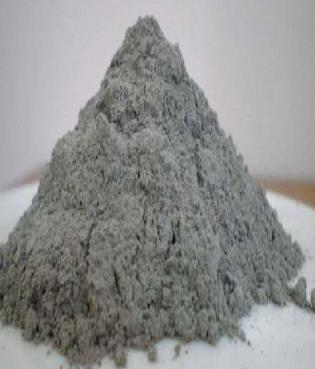
A fly ash powder mill refers to a machine or facility used to grind and process fly ash into fine powder particles. Fly ash is a byproduct of burning pulverized coal in electric power generating plants and other industrial processes. It consists of tiny, spherical particles, primarily composed of silica, alumina, and iron.

The grinding of fly ash into a fine powder is beneficial because it can be used as a supplementary cementitious material in the production of concrete. When mixed with cement and water, fly ash can improve the properties of concrete, such as workability, strength, durability, and reduced heat of hydration.


The process of grinding fly ash into powder typically involves using a grinding mill, which can be of various types. Some common types of grinding mills used for this purpose include:

Ball Mill: A ball mill is a cylindrical device used in grinding materials like ores, chemicals, ceramic raw materials, and fly ash. The mill rotates around a horizontal axis, partially filled with the material to be ground plus the grinding medium (usually steel balls). As the ball mill rotates, the material is crushed and ground into a fine powder.

Vertical Roller Mill (VRM): A VRM is a type of industrial equipment used to crush or grind materials into small particles. It consists of a rotating table and grinding rollers, which apply pressure to the material as it passes through them, resulting in the desired fine powder.

Raymond Mill: Raymond mill is a traditional mill that can be used to grind non-flammable and non-explosive materials, including fly ash. It operates on the principle of suspension grinding, where the materials are crushed and ground between the rollers and the grinding ring.

Ultrafine Mill: An ultrafine mill is a specialized milling machine capable of producing ultrafine powder particles, often used for finer grinding of fly ash to achieve specific fineness requirements.

The choice of the specific fly ash powder mill depends on various factors, such as the required particle size, production capacity, and the characteristics of the fly ash being processed. Additionally, environmental factors and the final application of the fly ash powder may also influence the selection of the appropriate mill.

It’s important to note that specific details about the latest developments or models of fly ash powder mills can be found by the online help. And you can also send you requirement at the bottom of this website for latest quotations and suggestions.

For the most up-to-date information on available fly ash powder mills, I recommend checking with manufacturers, suppliers, or conducting a search online.

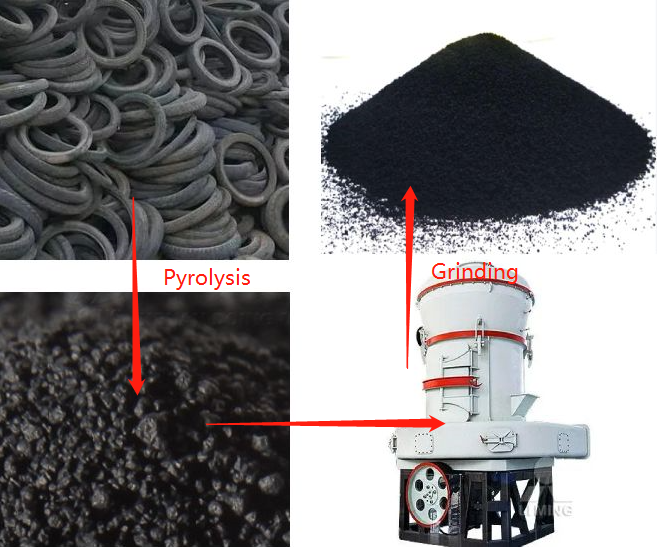
Turn tire pyrolysis into profitable carbon black powder

Carbon black is a material produced by the incomplete combustion of hydrocarbons such as heavy oil and other petroleum products. Pyrolysis carbon black powder is a fine black powder that is commonly used in the production process of materials such as rubber, plastics, paints, inks and printing inks to increase their color, strength and abrasion resistance. Carbon black powder is widely used in industry due to its excellent ability to dye and enhance the properties of materials.

The pyrolysis tire carbon black produced by pyrolysis of waste tires is a granular coarse powder of 40-80 mesh, which cannot be used directly. It needs to be ground and processed by a tire carbon black mill to expand its use. The added value of tire slag carbon black is very high after being finely ground by tire carbon black mill.


Dawn focuses on the development of waste tire carbon black mill, developed LUM ultra-fine vertical mill for waste tire pyrolysis carbon black, MTW European version of carbon black powder, carbon black ultra-fine mill and other different types of equipment.
The ultra-fine carbon black mill can produce powder up to 5um, N550, N660,N774 and other semi-reinforced carbon black with high output and stable performance.

Welcome to consult online and get the processing plan.

200 mesh medium-speed coal pulverizer

Model: coal mill
Applicable materials: cement, coal, feldspar, calcite, talc, iron ore, copper ore
Application fields: suitable for cement, electric power, metallurgy, chemical industry, non-metallic mines, etc.
Production capacity: 2000-120000kg/h
Spindle speed: 870r/min
Feed particle size: ≤65mm
Motor power: 45kW~2240kW
Discharge particle size: 80-425 mesh/0.17-0.033mm
Dimensions: 4.5644.545.65(m)
Weight: 3000-120000(kg/h)
Grinding degree: fine grinder
Material moisture content: below 15%
Principle: roller mill
Maximum material hardness: grade 9


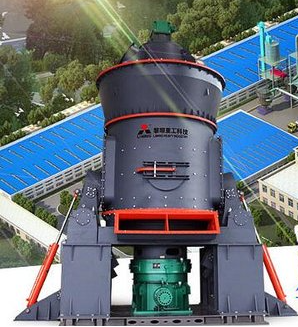
LM vertical coal mill (one-step preparation process – grinding while drying)

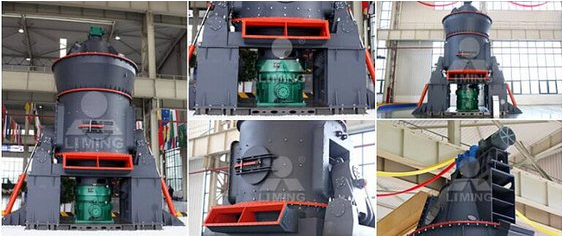
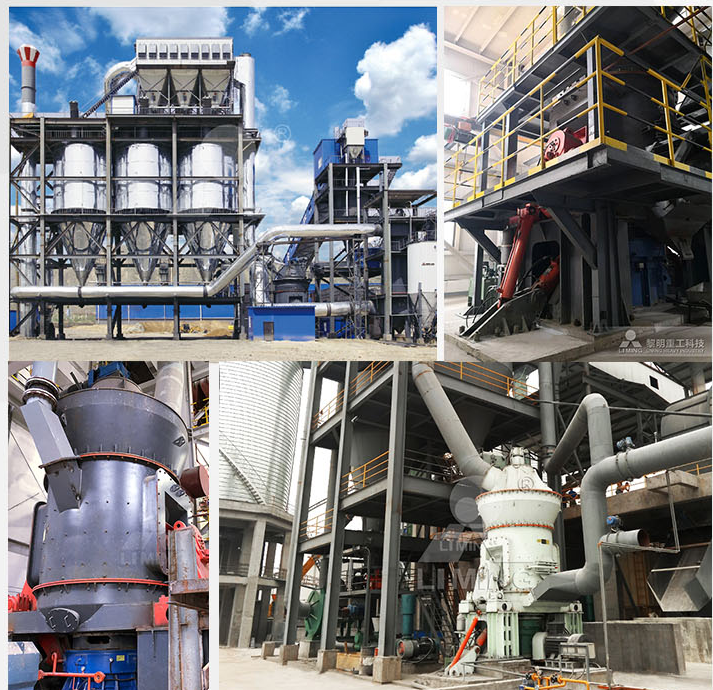
The whole system of LM vertical coal mill  is the core of the project. It integrates crushing, drying, grinding, and grading and conveying. The large-scale milling equipment condenses stable technological elements, equipped with CO-O2 online analysis system, grinding roller hydraulic device, and automatic electronic control device, making the whole milling process intelligent, convenient, energy-saving and environmentally friendly.

Scope of application: It is suitable for users who require a large output of coal powder and petroleum coke powder.

Capacity range: 5-100T/H


You can contact us through online message or business contact, free customization of exclusive production line.

Calcium Oxide Milling Project

Equipment model and number: 1 MTW178G European version mill

Processing material and fineness: calcium oxide, calcium hydroxide residue 200 mesh


project description
This project is still the first in the field of flue gas dust removal and desulfurization in the lead-zinc pyrometallurgy industry. It has the role of leading and demonstrating in the industry, among which many technologies such as flue gas pre-absorption technology and energy-saving technology are original. The project adopts ionic liquid circulation absorption flue gas desulfurization technology, the desulfurization efficiency can reach 99.5%, and the desulfurization efficiency can be adjusted flexibly.

Quartz stone powder making project

Project Status

Equipment model and number: 3 MTW178G European version mills

Processing material and fineness: quartz stone 325 mesh


Project description

Quartz stone is a non-metallic mineral. It is a hard, wear-resistant and chemically stable silicate mineral. It is mechanically processed to produce quartz sand and quartz powder. It is widely used in glass, casting, ceramics and refractory materials, Ferrosilicon smelting, metallurgical flux, metallurgy, construction, chemical industry, plastics, rubber, abrasives and other industries.

If you have any needs or questions, please leave a message, we will reply you as soon as possible after receiving it!

MTW European type mill-Replacement for traditional Raymond mill and pendulum mill

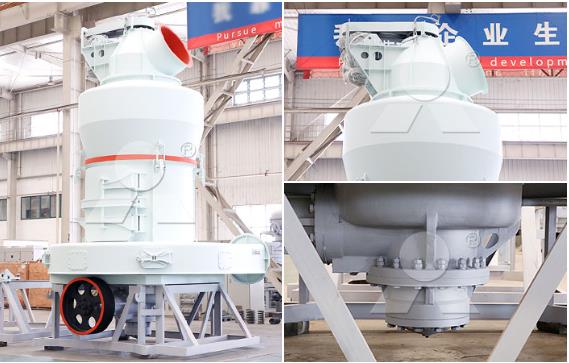
MTW European type mill has a number of independent patented technology property rights. This model adopts a number of new patented technologies such as bevel gear integral transmission, internal thin oil lubrication system, and arc-shaped air duct. It has high grinding efficiency and large output. It is a replacement product for traditional Raymond mills and pendulum mills. Widely used in power plant desulfurization, large non-metallic ore pulverization, building materials and chemical industry and other fields.

Feed size: 30-50mm
Output: 3~60T/H
Finished product size:1.6-0.045mm
The finest can reach 0.038mm
Application:Limestone, Calcite, Quicklime, Dolomite, Barite, Talc, Calcium Carbonate, Gypsum, Bentonite, Kaolin, Gypsum, Petroleum Coke, Coal, etc.


National patent product (patent number)
ZL 2009 2 0088889.8 ZL 2009 2 0092361.8 ZL 2009 2 0089947.9 ZL 2013 3 0493046.8 ZL 2014 2 0003224.3

You can contact us through online message or business contact, free customization of exclusive production line.

Talc grinding process steps

Talc powder production is generally divided into four types: talc coarse powder processing (0-3mm), fine powder processing (20-400 mesh), and ultrafine powder processing (400-1250 mesh) and micro-powder processing (1250 mesh — 3250 mesh).

The first stage: crushing of raw materials

The bulk talc material is broken by the crusher to the feeding fineness (15mm-50mm) that can enter the grinding machine.

The second stage: grinding

The small pieces of broken talc material are sent to the storage hopper by the elevator, and then are uniformly and quantitatively sent to the grinding room of the mill by the feeder.

The third stage: grading

The material after grinding is graded by the classification system, and the unqualified powder is graded by the classifier and returned to the main machine for re-grinding.

Stage 4: Collection of finished products

The powder conforming to the fineness enters the dust collector with the air flow through the pipeline for separation and collection. The collected finished powder is sent to the finished product silo through the discharge port by the conveying device, and then is uniformly packed by the powder filling tank truck or automatic baler.

Talc mill customers on-site


Talc processing plant (MTW215)


Talc processing base (TGM160)

Use of talc
Talc has excellent physical and chemical properties such as lubricity, viscosity resistance, flow aid, fire resistance, acid resistance, insulation, high melting point, chemical inactivity, good covering power, softness, good luster, strong adsorption. Therefore, talc in cosmetics, medicine, paper, plastics and other fields have a wide range of uses.


  • Cosmetics field
    Used in various skin powder, beauty powder, talcum powder and so on. It has the function of blocking infrared rays, so it enhances the sunscreen and anti-infrared properties of cosmetics.

  • Medicine and food
    Used in medicine tablets, medicine powder (such as acafol powder) icing, prickly heat powder and Chinese medicine prescriptions, food additives, isolating agents and other additives. It has the characteristics of non-toxic, tasteless, high whiteness, good tolerability, strong gloss, soft taste and strong smoothness. Coating field used in white body pigment and various kinds of water – based, oil – based, resin industrial coatings, primer, protective paint, etc. Increase the stability of product shape.

  • Papermaking field
    Used for all kinds of paper and board filler, wood asphalt control agent. Can achieve smooth, delicate paper, save raw materials, improve the life of the fat net.

  • Plastics field
    Used as filler for polypropylene, nylon, polyvinyl chloride, polyethylene, polystyrene and polyester plastics. Increase tensile strength, shear strength, bending strength, pressure strength, reduce deformation.

  • Rubber field
    Used for rubber fillers and rubber products anti-stick agent. Increase the stability of the product shape, increase the tensile strength, shear strength, bending strength, pressure strength. Cable field used for cable rubber additive, cable isolation agent.

  • Ceramic field
    Used in the manufacture of electric porcelain, wireless electric porcelain, various industrial ceramics, building ceramics, daily ceramics and porcelain glaze. It has the characteristics of no discoloration at high temperature, enhanced whiteness after forging and burning, uniform density, good luster and smooth surface.

  • Waterproof material field
    Used for waterproof coil, waterproof coating, waterproof ointment and so on.

We are waiting for you at the 133th Canton Fair with our popular stone crusher and mill products

The offline exhibition of the 133rd China Import and Export Fair (“Canton Fair”) will be held in Guangzhou from April 15 to May 5, and the online platform will carry out normal operation simultaneously. Liming Heavy Industry is also actively resuming offline participation in the first time. The machinery exhibition will be held from April 15th to April 19th. At that time, we will bring the latest product information to meet you on time at booth 19.1E40!


Liming Machine has been established for 35 years, and our products have served more than 20,000 customers in more than 170 countries and regions around the world. In addition, we have set up offices in many countries and regions to better integrate into the international market and help customers understand products and solve problems at close range.


At this exhibition, Liming Heavy Industry’s high-quality talent team will bring VSI6X vertical shaft impact crusher, C6X jaw crusher, CI5X impact crusher, LM vertical mill, MTW European mill, VU/VUS aggregate optimization system, NK series The latest model information of key products such as mobile stations was unveiled at the exhibition, showing the latest Liming equipment for global merchants and suppliers.

Chat oneline to get more information!

  • Home
  • Prev
  • ···1718192021
  • Last
Clicky