NEWS

LATEST How to Choose the Right Crusher for Different Rock Types

Selecting the right crusher is one of the most critical decisions in aggregate production, mining operations, and construction material processing. Different rock types have varying hardness, abrasiveness, moisture content, and structural characteristics. Choosing the wrong equipment can lead to excessive wear, low efficiency, and high operational costs.

This guide explains how to match crusher types with different rock materials to achieve maximum productivity and profitability.


1. Understanding Rock Properties Before Selecting a Crusher

Before choosing equipment, it is essential to analyze:

  • Hardness (Mohs scale)

  • Compressive strength

  • Abrasiveness index

  • Moisture content

  • Clay content

  • Feed size

  • Required final product size

These factors directly influence crusher type, chamber design, and wear part selection.


2. Crusher Selection by Rock Type

1️⃣ Hard and Abrasive Rocks

Examples: Granite, Basalt, Quartzite

Characteristics:

  • High compressive strength

  • Strong abrasiveness

  • Difficult to crush

Recommended equipment:

  • Primary: Jaw crusher

  • Secondary: Hydraulic cone crusher

  • Tertiary: High-performance cone crusher or VSI

Why?
Cone crushers provide strong compressive crushing force and better wear resistance, making them ideal for hard rock processing.


2️⃣ Medium-Hard Rocks

Examples: Limestone, Dolomite

Characteristics:

  • Medium strength

  • Lower abrasiveness

  • Easy to process

Recommended equipment:

  • Primary: Jaw crusher

  • Secondary: Impact crusher or cone crusher

Why?
Impact crushers provide better cubic particle shape for aggregate production, especially in construction projects.


3️⃣ Soft and Non-Abrasive Materials

Examples: Coal, Gypsum

Characteristics:

  • Low hardness

  • Easy breakage

  • May contain moisture

Recommended equipment:

  • Impact crusher

  • Hammer crusher

Why?
These materials do not require heavy compressive crushing force, and impact crushing ensures higher efficiency and lower investment cost.


4️⃣ High Clay Content or Wet Materials

Challenges:

  • Blockage risk

  • Material adhesion

  • Reduced screening efficiency

Recommended solutions:

  • Pre-screening system

  • Vibrating feeder with grizzly bars

  • Proper chamber design

Closed-circuit systems are essential to prevent oversize circulation.


3. Production Capacity Considerations

Crusher selection must also match:

  • Required output (TPH)

  • Final product size distribution

  • Production line layout

  • Available power supply

Oversized equipment increases investment cost, while undersized machines reduce productivity and cause overloading.

Proper capacity planning ensures long-term stable operation.


4. Mobile vs. Stationary Crushing Plants

When selecting crushers, consider plant type:

Mobile crushing plant:

  • Flexible relocation

  • Suitable for construction waste, short-term projects

  • Lower civil engineering cost

Stationary crushing plant:

  • Higher long-term capacity

  • More stable operation

  • Ideal for mining and aggregate quarries


5. Common Mistakes in Crusher Selection

  • Ignoring rock abrasiveness

  • Selecting equipment based only on price

  • Overlooking wear part cost

  • Not considering downstream requirements

  • Poor layout planning

A professional system design prevents these costly mistakes.


6. Why Proper Crusher Matching Increases Profit

Correct equipment selection leads to:

  • Lower wear part consumption

  • Higher production efficiency

  • Better product shape

  • Reduced energy consumption

  • Stable downstream performance

In mining and aggregate production, optimized crushing directly improves return on investment.

There is no “one-size-fits-all” crusher. The best solution depends on rock properties, production goals, and project requirements. A properly configured crushing system ensures stable output, lower maintenance costs, and long-term operational success.

Professional equipment selection and system design are essential for maximizing the performance of any crushing project.
Previous News

Quartz stone powder making project

Project Status

Equipment model and number: 3 MTW178G European version mills

Processing material and fineness: quartz stone 325 mesh


Project description

Quartz stone is a non-metallic mineral. It is a hard, wear-resistant and chemically stable silicate mineral. It is mechanically processed to produce quartz sand and quartz powder. It is widely used in glass, casting, ceramics and refractory materials, Ferrosilicon smelting, metallurgical flux, metallurgy, construction, chemical industry, plastics, rubber, abrasives and other industries.

If you have any needs or questions, please leave a message, we will reply you as soon as possible after receiving it!

MTW European type mill-Replacement for traditional Raymond mill and pendulum mill

MTW European type mill has a number of independent patented technology property rights. This model adopts a number of new patented technologies such as bevel gear integral transmission, internal thin oil lubrication system, and arc-shaped air duct. It has high grinding efficiency and large output. It is a replacement product for traditional Raymond mills and pendulum mills. Widely used in power plant desulfurization, large non-metallic ore pulverization, building materials and chemical industry and other fields.

Feed size: 30-50mm
Output: 3~60T/H
Finished product size:1.6-0.045mm
The finest can reach 0.038mm
Application:Limestone, Calcite, Quicklime, Dolomite, Barite, Talc, Calcium Carbonate, Gypsum, Bentonite, Kaolin, Gypsum, Petroleum Coke, Coal, etc.


National patent product (patent number)
ZL 2009 2 0088889.8 ZL 2009 2 0092361.8 ZL 2009 2 0089947.9 ZL 2013 3 0493046.8 ZL 2014 2 0003224.3

You can contact us through online message or business contact, free customization of exclusive production line.

Talc grinding process steps

Talc powder production is generally divided into four types: talc coarse powder processing (0-3mm), fine powder processing (20-400 mesh), and ultrafine powder processing (400-1250 mesh) and micro-powder processing (1250 mesh — 3250 mesh).

The first stage: crushing of raw materials

The bulk talc material is broken by the crusher to the feeding fineness (15mm-50mm) that can enter the grinding machine.

The second stage: grinding

The small pieces of broken talc material are sent to the storage hopper by the elevator, and then are uniformly and quantitatively sent to the grinding room of the mill by the feeder.

The third stage: grading

The material after grinding is graded by the classification system, and the unqualified powder is graded by the classifier and returned to the main machine for re-grinding.

Stage 4: Collection of finished products

The powder conforming to the fineness enters the dust collector with the air flow through the pipeline for separation and collection. The collected finished powder is sent to the finished product silo through the discharge port by the conveying device, and then is uniformly packed by the powder filling tank truck or automatic baler.

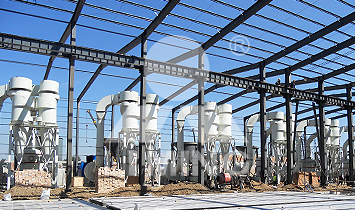
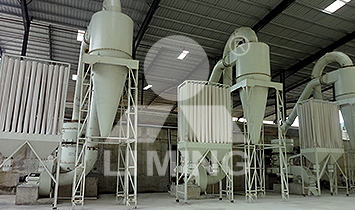
Talc mill customers on-site


Talc processing plant (MTW215)


Talc processing base (TGM160)

Use of talc
Talc has excellent physical and chemical properties such as lubricity, viscosity resistance, flow aid, fire resistance, acid resistance, insulation, high melting point, chemical inactivity, good covering power, softness, good luster, strong adsorption. Therefore, talc in cosmetics, medicine, paper, plastics and other fields have a wide range of uses.


  • Cosmetics field
    Used in various skin powder, beauty powder, talcum powder and so on. It has the function of blocking infrared rays, so it enhances the sunscreen and anti-infrared properties of cosmetics.

  • Medicine and food
    Used in medicine tablets, medicine powder (such as acafol powder) icing, prickly heat powder and Chinese medicine prescriptions, food additives, isolating agents and other additives. It has the characteristics of non-toxic, tasteless, high whiteness, good tolerability, strong gloss, soft taste and strong smoothness. Coating field used in white body pigment and various kinds of water – based, oil – based, resin industrial coatings, primer, protective paint, etc. Increase the stability of product shape.

  • Papermaking field
    Used for all kinds of paper and board filler, wood asphalt control agent. Can achieve smooth, delicate paper, save raw materials, improve the life of the fat net.

  • Plastics field
    Used as filler for polypropylene, nylon, polyvinyl chloride, polyethylene, polystyrene and polyester plastics. Increase tensile strength, shear strength, bending strength, pressure strength, reduce deformation.

  • Rubber field
    Used for rubber fillers and rubber products anti-stick agent. Increase the stability of the product shape, increase the tensile strength, shear strength, bending strength, pressure strength. Cable field used for cable rubber additive, cable isolation agent.

  • Ceramic field
    Used in the manufacture of electric porcelain, wireless electric porcelain, various industrial ceramics, building ceramics, daily ceramics and porcelain glaze. It has the characteristics of no discoloration at high temperature, enhanced whiteness after forging and burning, uniform density, good luster and smooth surface.

  • Waterproof material field
    Used for waterproof coil, waterproof coating, waterproof ointment and so on.

We are waiting for you at the 133th Canton Fair with our popular stone crusher and mill products

The offline exhibition of the 133rd China Import and Export Fair (“Canton Fair”) will be held in Guangzhou from April 15 to May 5, and the online platform will carry out normal operation simultaneously. Liming Heavy Industry is also actively resuming offline participation in the first time. The machinery exhibition will be held from April 15th to April 19th. At that time, we will bring the latest product information to meet you on time at booth 19.1E40!


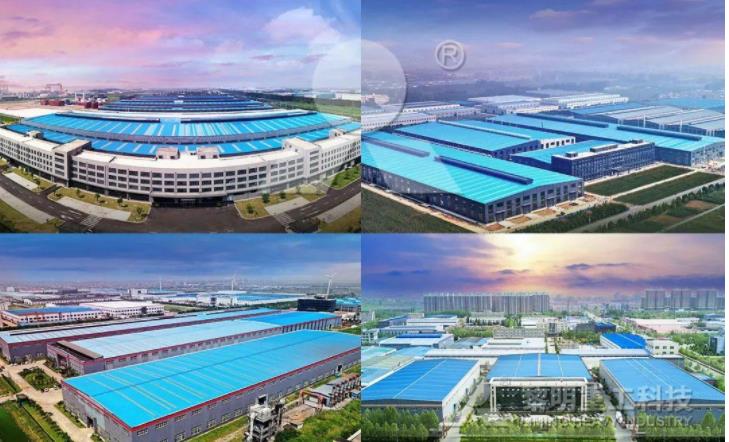
Liming Machine has been established for 35 years, and our products have served more than 20,000 customers in more than 170 countries and regions around the world. In addition, we have set up offices in many countries and regions to better integrate into the international market and help customers understand products and solve problems at close range.


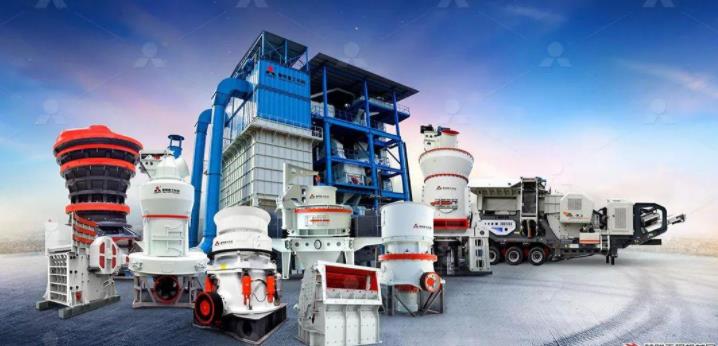
At this exhibition, Liming Heavy Industry’s high-quality talent team will bring VSI6X vertical shaft impact crusher, C6X jaw crusher, CI5X impact crusher, LM vertical mill, MTW European mill, VU/VUS aggregate optimization system, NK series The latest model information of key products such as mobile stations was unveiled at the exhibition, showing the latest Liming equipment for global merchants and suppliers.

Chat oneline to get more information!

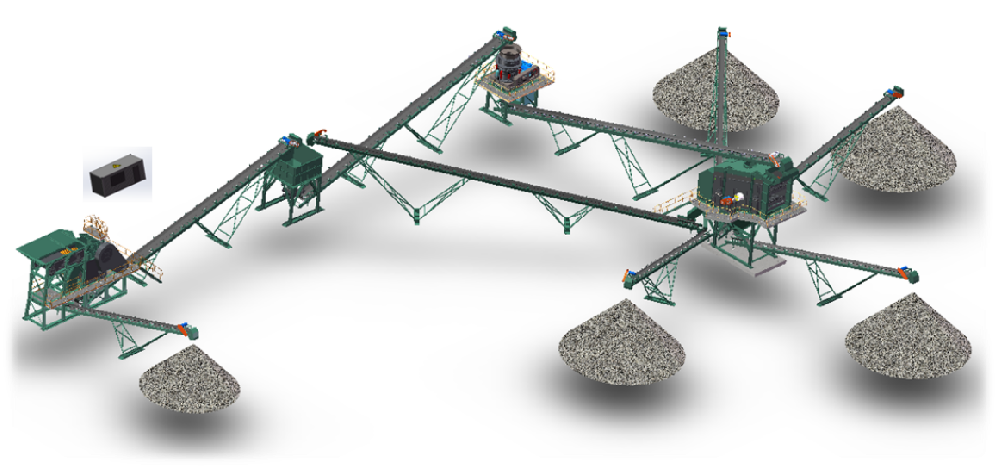
75 to 450TPH SMP modular crushing production line

The SMP (Standard modular plant) modular production line is a high-convenience modular fast production line launched by the company based on the market demand, on the basis of the experience in the application of fixed and mobile production lines, and in combination with the customer’s on-site production line construction and installation technology accumulation.


Through pre-designed crushing and screening modules and on-site layout planning, the maximum satisfaction of fast delivery, fast assembly, 30%-40% faster delivery and commissioning than traditional production lines. Therefore, the production line can be quickly installed, quickly put into production, and quickly profitable.

SMP has planned 12 kinds of standard modular production lines and 27 kinds of MP module products, each SMP standard production line is composed of 4-7 MP module platforms, and the production capacity varies from 75 to 450TPH, and we have prepared complete sales for each standard production line Kit, including system flowchart, layout drawing, configuration sheet and commercial quotation.

Features:
★Short delivery time (about one month’s preparation time, module container transportation, the overall delivery time is usually 2-3 months)
★The site only needs a small amount of engineering, a small amount of concrete foundation or no concrete foundation;
★ All modules are equipped with sled support, design without anchor bolts;
★ Customer employees can easily install on site;
★ Easy to debug, and can be equipped with different configurations of electrical control;
★ Optimized design of the process flow, low design of each module, as little investment and space saving as possible
★ Through the free matching of MP modules, users can freely combine personalized production lines, or Used to upgrade and expand existing old production lines.

Get the online help for more!

Calcium Carbonate Manufacturing Process and Equipment

Calcium carbonate is a chemical compound with the formula CaCO3. It is a common substance found in rocks as the minerals calcite and aragonite, and it is the main component of pearls and the shells of marine organisms, snails, and eggs. Calcium carbonate has a variety of uses, including in the production of building materials, as a filler in plastics and coatings, and as a dietary supplement.


The manufacturing process for calcium carbonate involves several steps:

Quarrying: Calcium carbonate is extracted from the ground using a variety of methods, including open-pit mining, underground mining, and quarrying. The material is typically found in limestone, chalk, or marble deposits.

Crushing and grinding: Once the raw material has been extracted, it is crushed and ground into a fine powder. This powder is then transported to a processing plant.

Purification: The powder is purified to remove impurities such as silica, iron, and aluminum. This is typically done using a combination of chemical and physical processes.

Precipitation: The purified powder is mixed with water and a chemical called soda ash (sodium carbonate) to create a slurry. Carbon dioxide gas is then bubbled through the slurry, causing the calcium carbonate to precipitate out of the solution.

Drying and packaging: The precipitated calcium carbonate is then dried and milled to create a fine powder. The powder is then packaged and shipped to customers.

Equipment used in the manufacturing process includes:

Crushers: These are used to crush the raw material into smaller pieces.

Grinding mills: These are used to grind the raw material into a fine powder.

Classifiers: These are used to separate the powder into different particle sizes.

Mixers: These are used to mix the powder with water and other chemicals.

Reactors: These are used to mix the powder with soda ash and carbon dioxide to precipitate the calcium carbonate.

Dryers: These are used to dry the precipitated calcium carbonate.

We have been engaged in Calcium Carbonate crushing and grinding equipment manufacturer more than 35 years, consult online for your project design for free.

What is the difference between light and heavy calcium carbonate?

Calcium carbonate (CaCO3) is a chemical compound that exists in different forms, including two main crystal structures: calcite and aragonite. The difference between light and heavy calcium carbonate is primarily based on their particle size and density.

Light calcium carbonate, also known as precipitated calcium carbonate (PCC), is produced through a chemical reaction in which limestone (calcium carbonate) is dissolved in acid, and then re-precipitated using a precipitation agent. The resulting product has a smaller particle size and lower density compared to heavy calcium carbonate, making it ideal for use in applications that require a fine particle size, such as in paper coatings, plastics, and rubber.

On the other hand, heavy calcium carbonate, also known as ground calcium carbonate (GCC), is produced by grinding and milling limestone. The resulting product has a larger particle size and higher density than PCC, making it suitable for use in applications that require a coarser particle size, such as in construction materials like concrete and mortar.

In summary, the primary difference between light and heavy calcium carbonate is their particle size and density, which determine their suitability for specific applications.

LM1900 Grinding Mill Machine

Recommend the  next post:  Calcium Carbonate Manufacturing Process and Equipment

Different types of grinding mills – for mining and minerals processing industry

Grinding mills are essential equipment in the mining and minerals processing industry. They are used to grind ores and other materials into smaller particles, which can be further processed or used for the production of final products. There are several types of grinding mills used in the mining and minerals processing industry, including:


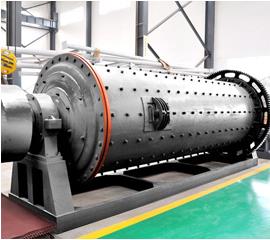
Ball mills: These are cylindrical devices used to grind materials like ores, chemicals, and ceramics. They work by rotating a cylinder filled with the material and grinding media such as steel balls. The grinding media collide with the material, reducing its size.


European Type Grinding Mill: This is a new type of grinding mill developed by Liming Machine based on advanced grinding technology. It is designed to be more energy-efficient than traditional mills and is suitable for processing various materials, including limestone, calcite, dolomite, barite, talc, and others.


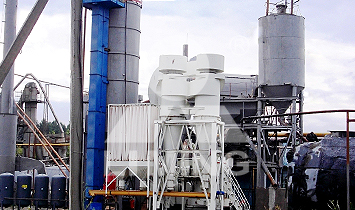
Ultrafine mill: This is a high-performance grinding mill that is suitable for processing materials with a Mohs hardness of less than 7 and a humidity of less than 6%. The mill uses a combination of centrifugal force and grinding rolls to achieve ultrafine grinding.


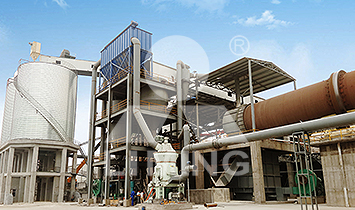
Vertical mills: These are relatively new types of mills that use a vertical orientation instead of a horizontal one. They are used mainly for the processing of fine materials and have a smaller footprint than traditional mills.

Grinding mills play a critical role in the mining and minerals processing industry, and their proper selection and operation can significantly impact the overall efficiency and productivity of a processing plant. It is important to choose the right type of mill for the specific material and application to ensure optimal performance and cost-effectiveness.

Liming grinding mills are widely used in various industries, and they are known for their high efficiency, reliability, and durability.We also provides customized solutions based on the specific needs of their customers, ensuring that they get the best possible results.

  • Home
  • Prev
  • ···1112131415
  • Last
Clicky