NEWS

LATEST Iron Ore Crushing and Screening Plant: Design, Equipment Selection, and Process Flow

Iron ore is one of the most important raw materials in the global steel industry. Before beneficiation, pelletizing, or direct reduction, iron ore must undergo efficient crushing and screening to achieve the required particle size and ensure stable downstream processing.

Because iron ore deposits vary significantly in hardness, moisture content, and mineral composition, selecting the right crushing and screening solution is essential for maximizing productivity and minimizing operating costs.

This article explores the key considerations for designing an efficient iron ore crushing and screening plant.


1. Why Crushing and Screening Are Important in Iron Ore Processing

The primary objectives of crushing and screening are:

  • Reduce run-of-mine (ROM) ore to manageable sizes

  • Prepare feed for grinding and beneficiation

  • Improve plant throughput

  • Enhance downstream separation efficiency

  • Reduce overall processing costs

A well-designed crushing circuit ensures consistent feed size and stable operation throughout the entire mineral processing plant.


2. Characteristics of Iron Ore

Iron ore deposits can include:

  • Hematite ore

  • Magnetite ore

  • Goethite ore

  • Limonite ore

Common processing challenges include:

  • High hardness in some deposits

  • Abrasive mineral content

  • Variable moisture levels

  • Wide feed size distribution

These characteristics influence crusher selection and process design.


3. Typical Iron Ore Crushing Process

Stage 1: Primary Crushing

The first stage handles large ROM ore directly from the mine.

Recommended Equipment:

  • Jaw crusher

  • Gyratory crusher (large-scale mines)

Functions:

  • Reduce large rocks from 800–1500 mm to 150–300 mm

  • Provide stable feed for secondary crushing

For high-capacity operations, gyratory crushers are often preferred due to their continuous crushing action.


Stage 2: Secondary Crushing

After primary crushing, the material is further reduced.

Recommended Equipment:

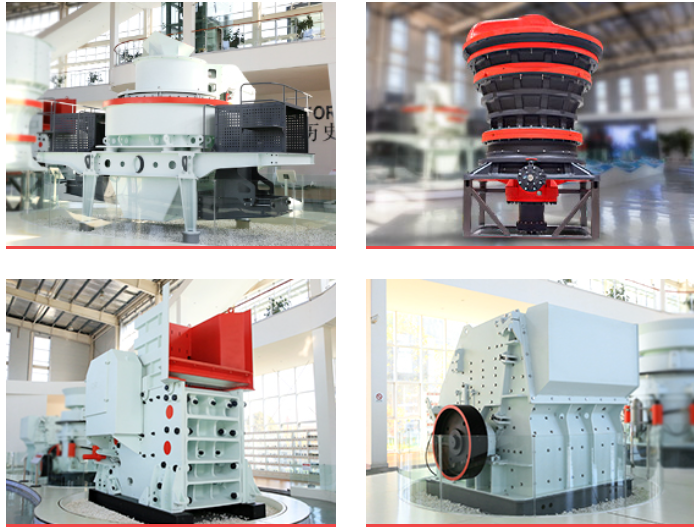
  • Hydraulic cone crusher

Benefits:

  • High capacity

  • Excellent wear resistance

  • Stable product size

  • Suitable for hard and abrasive ores

Secondary crushing typically reduces material to 30–80 mm.


Stage 3: Tertiary Crushing (Optional)

Some beneficiation plants require finer feed before grinding.

Equipment Options:

  • Fine cone crusher

  • High-pressure grinding rolls (HPGR)

Benefits:

  • Improved grinding efficiency

  • Reduced energy consumption

  • Better mineral liberation


4. Screening System Design

Screening plays a critical role in controlling product size.

Recommended Equipment:

  • Multi-deck vibrating screens

Functions:

  • Remove undersized material

  • Separate finished products

  • Return oversized material for re-crushing

A closed-circuit crushing system helps maintain consistent particle size distribution and improves overall efficiency.


5. Crushing Plant Capacity Considerations

Plant design should match production requirements.

Small to Medium Operations

Capacity:

  • 200–800 TPH

Typical configuration:

  • Jaw crusher

  • Cone crusher

  • Vibrating screen

Large Iron Ore Mines

Capacity:

  • 1000–5000+ TPH

Typical configuration:

  • Gyratory crusher

  • Multiple cone crushers

  • Large vibrating screens

  • Automated control systems

Proper equipment sizing prevents bottlenecks and maximizes throughput.


6. Wear Management in Iron Ore Crushing

Iron ore can be highly abrasive, making wear control essential.

Key Wear Components:

  • Jaw plates

  • Mantles and concaves

  • Screen media

  • Conveyor components

Best Practices:

  • Use high-quality wear-resistant alloys

  • Monitor liner wear regularly

  • Maintain consistent feed conditions

  • Avoid crusher overloading

Effective wear management reduces downtime and operating costs.


7. Dust and Environmental Control

Modern mining operations must comply with environmental standards.

Dust Control Measures:

  • Water spray systems

  • Dust collectors

  • Covered conveyors

  • Enclosed transfer points

Proper dust management improves workplace safety and environmental performance.


8. Automation and Smart Plant Technology

Advanced iron ore crushing plants increasingly use automation systems.

Key Technologies:

  • Real-time crusher monitoring

  • Automatic CSS adjustment

  • Load management systems

  • Predictive maintenance software

Automation improves efficiency, reduces human error, and increases equipment utilization.


Why Cone Crushers Are Widely Used in Iron Ore Processing

Among all crushing equipment, hydraulic cone crushers have become the preferred choice for secondary and tertiary iron ore crushing because they offer:

  • High crushing efficiency

  • Excellent wear resistance

  • Stable operation under heavy loads

  • Low operating cost per ton

  • Consistent product size

For hard and abrasive iron ore applications, cone crushers provide an ideal balance between productivity and reliability.


Conclusion

An efficient iron ore crushing and screening plant is the foundation of successful mineral processing operations. Proper equipment selection, optimized process flow, effective wear management, and intelligent automation all contribute to higher productivity and lower operating costs.

Whether processing hematite, magnetite, or other iron ore types, a well-designed crushing system ensures reliable performance and prepares the ore for efficient downstream beneficiation.


Previous News

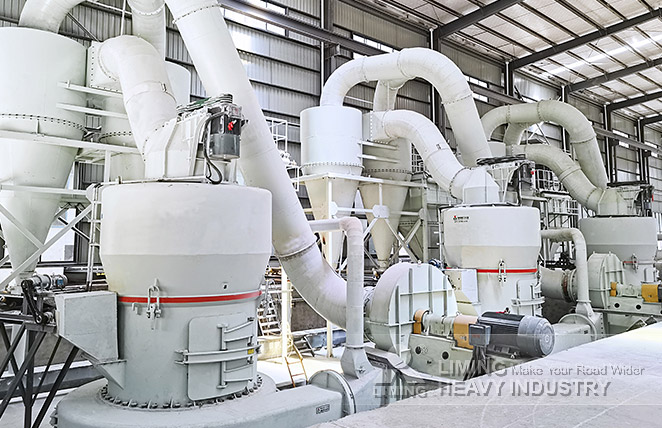
Discover the Power of LUM Vertical Mills: Revolutionizing Precision Milling

In the world of engineering and manufacturing, the quest for precision, efficiency, and productivity is an ongoing endeavor. As industries continue to evolve, so does the technology that drives them forward. One such technological marvel that stands at the forefront of modern milling is the LUM Vertical Mill. This revolutionary piece of engineering prowess has been redefining how materials are processed, making milling operations faster, more precise, and remarkably efficient. In this article, we delve into the core features and benefits of LUM Vertical Mills, exploring how they are transforming the landscape of precision milling.

Precision Redefined

At the heart of every milling operation lies the pursuit of precision. The LUM Vertical Mill takes this pursuit to a new zenith. Equipped with cutting-edge technology and meticulous craftsmanship, these mills offer an unparalleled level of accuracy in material processing. The precise control over parameters such as speed, feed rate, and depth ensures that each cut is executed with meticulous accuracy, resulting in components that meet the most stringent quality standards.

Efficiency Unleashed

In an era where time is of the essence, efficiency is non-negotiable. LUM Vertical Mills bring forth a new era of efficiency by optimizing the entire milling process. The integration of intelligent automation allows for streamlined operations, from material loading to final product extraction. This not only reduces human intervention but also minimizes the risk of errors, ultimately leading to faster production cycles and increased throughput.

Versatility Explored

Versatility is a hallmark of engineering excellence. LUM Vertical Mills excel in this aspect by offering a wide range of applications across various industries. From aerospace components to intricate automotive parts, these mills adapt seamlessly to different materials and geometries. This adaptability is further enhanced by interchangeable tooling options, making it a go-to solution for diverse milling needs.

Economic Advantages

The adoption of LUM Vertical Mills isn’t just a technological leap; it’s a strategic investment. The precision and efficiency they bring translate directly into economic advantages for manufacturers. Reduced waste, lower energy consumption, and decreased cycle times lead to significant cost savings over the long run. Moreover, the consistent quality of output minimizes the need for rework, saving both time and resources.

Safety First

Engineering advancements are at their best when they prioritize safety. LUM Vertical Mills incorporate state-of-the-art safety features that protect both the equipment and its operators. From real-time monitoring systems to automatic tool change mechanisms, these mills ensure that operations run smoothly without compromising on safety.

The LUM Vertical Mill stands as a testament to human ingenuity and innovation in the field of engineering. Its ability to combine precision, efficiency, versatility, and safety is a testament to the strides that the industry has taken. As manufacturing demands continue to evolve, embracing such cutting-edge technology becomes not just a choice, but a necessity. By discovering the power of LUM Vertical Mills, manufacturers are paving the way for a future where precision meets productivity in ways previously thought unattainable. It’s not just a mill; it’s a revolution in motion.

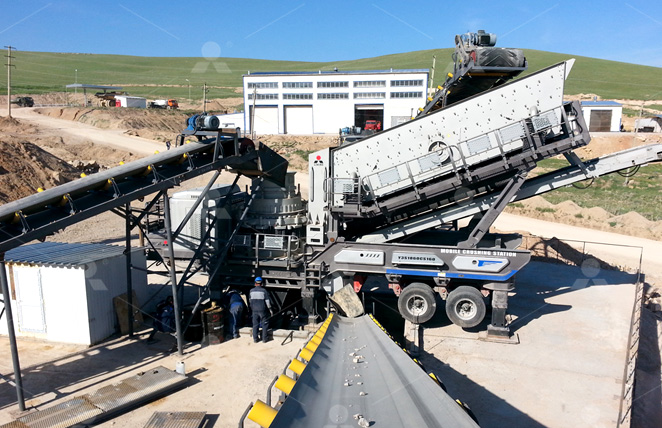
Mobile Stone Crushers for Quarry Operation

In the realm of mining and quarrying, nothing is more essential to efficiency and profitability than the ability to crush stone into a variety of sizes. Mobile stone crushers have been a game changer in the mining industry, as they allow operators to process materials on-site and produce marketable products in an efficient and cost-effective manner. This article will delve into the benefits of mobile stone crushers and provide an insight into their usage in quarry operations.

Versatility in Crushing

The surge in demand for construction materials such as stone, sand, and gravel is fueled by the rapid growth of urbanization and infrastructure projects. Traditional methods of quarrying and crushing are becoming increasingly expensive and outdated, limiting the ability of operators to meet market demands. Mobile stone crushers offer flexibility and mobility that traditional stationary crushers cannot match.

Efficiency and Cost-Savings

Quarry operations can be made more efficient and economical by using mobile stone crushers. This reduces the cost of transporting materials, which can have a significant impact on the overall cost of the project. Mobile crushers allow operators to move the crusher unit closer to the quarry face, effectively reducing unnecessary expense associated with loading and hauling large materials across a the site.

Reduced Environmental Impact

Mining and quarrying activities have the potential to impact the environment in various ways, including air and water pollution. Mobile stone crushers offer a potential solution to mitigate these impacts. By relocating the crushers closer to the quarry face, less transportation is required, thereby reducing exhaust emissions from heavy diesel trucks. Additionally, mobile crushers can be equipped with dust suppression mechanisms to control air quality, further minimizing environmental impact.

On-Site Processing

One of the most significant advantages of mobile stone crushers is their ability to process material directly on-site. This eliminates the need for additional processing steps, reducing the time and resources required to produce the desired end products. The immediate availability of crushed stone at the quarry site enhances operational efficiency, saving both time and money.

Adaptability to Changing Demands

The mining industry is dynamic, with fluctuating demands for different sizes and types of aggregates. Mobile stone crushers offer the flexibility to meet these demands. Whether it’s a small-scale project or a large quarry operation, the ability to move and process materials ensures that the market demands can be met effectively and efficiently.

Challenges and Considerations

While mobile stone crushers offer numerous benefits, there are challenges that must be carefully considered. Proper maintenance and regular servicing are crucial to ensure the longevity and reliability of the equipment. Moreover, there might be regulatory and permitting considerations related to the operation of mobile crushers, depending on the location and environmental regulations.

Conclusion

In conclusion, mobile stone crushers have revolutionized the mining and quarrying industry, offering a range of benefits that enable operators to tackle challenges in their operations head-on. From increased efficiency and cost savings to reduced environmental impact and adaptability to changing demands, these crushers have proven to be invaluable tools for modern quarry operations. As the mining industry continues to evolve, embracing technological advancements like mobile stone crushers will be pivotal in driving success and sustainability.

Maintenance Tips for Mobile Crushers

Proper maintenance of mobile crushers is essential to ensure their efficient operation, longevity, and safety for both the equipment and the personnel working with them. Regular maintenance practices can significantly extend the lifespan of mobile crushers and prevent unexpected breakdowns. Here are some maintenance tips to keep your mobile crushers in optimal condition:

Read the Manufacturer’s Manual: Familiarize yourself with the manufacturer’s guidelines and recommendations for maintenance. The manual will provide specific information about the crusher’s components, maintenance intervals, and procedures.

Create a Maintenance Schedule: Develop a comprehensive maintenance schedule that includes regular inspections, cleaning, lubrication, and major servicing tasks. Follow the schedule strictly to prevent neglecting important maintenance activities.

Inspect Regularly: Perform daily or pre-shift inspections before operating the mobile crusher. Look for signs of wear, damage, or loose components that might impact the machine’s performance. Pay close attention to conveyor belts, jaw plates, impact bars, and other wear parts.

Keep it Clean: Regularly clean the machine to prevent dust, dirt, and debris buildup. Accumulation of these materials can lead to premature wear and decreased efficiency. Use appropriate cleaning methods and avoid using high-pressure water, which could damage sensitive components.

Lubrication: Proper lubrication is crucial for reducing friction and extending the life of moving parts. Follow the manufacturer’s recommendations for lubrication frequency and the type of lubricant to use. Keep an eye on oil levels and ensure that all lubrication points are adequately covered.

Replace Wear Parts Timely: Components such as jaw plates, liners, and impact bars wear out over time. Monitor wear patterns and replace these parts before they become excessively worn, as worn parts can lead to inefficient crushing and potential breakdowns.

Tighten Loose Bolts: Regularly check and tighten any loose bolts, nuts, and fasteners. Vibration from the crusher’s operation can cause these to become loose over time, potentially leading to structural issues.

Check Electrical Systems: Inspect the electrical systems, including wiring, connections, and control panels, to ensure they are functioning properly. Electrical problems can lead to unexpected shutdowns or unsafe conditions.

Maintain Fluid Levels: Regularly check hydraulic fluid levels, coolant levels, and other fluid reservoirs. Keep them within the recommended operating range and change fluids as per the manufacturer’s recommendations.

Safety First: Always prioritize safety during maintenance activities. Follow lockout/tagout procedures to ensure that the crusher is safely isolated from power sources before performing maintenance. Provide proper training to maintenance personnel about safe practices.

Document Maintenance Activities: Keep detailed records of all maintenance activities, including inspections, repairs, and component replacements. This documentation helps track the machine’s history and informs future maintenance decisions.

Training and Education: Provide ongoing training to maintenance personnel to keep them updated on the latest maintenance practices and safety protocols. Well-trained personnel are more likely to identify and address potential issues early.

By following these maintenance tips, you can ensure that your mobile crushers operate efficiently, have a longer lifespan, and contribute to a safer working environment for everyone involved. Regular maintenance not only minimizes downtime but also maximizes the return on investment for your equipment.

The Ultimate Guide to White Vermiculite Milling: Process and Applications

Vermiculite, a naturally occurring mineral with remarkable properties, has found its place in various industries due to its exceptional heat resistance, lightweight nature, and insulating properties. Among its diverse applications, white vermiculite stands out as a particularly valuable material. This comprehensive guide explores the milling process of white vermiculite and delves into its wide range of applications.

Understanding White Vermiculite

White vermiculite is a hydrous phyllosilicate mineral that undergoes significant expansion when heated. It originates from the alteration of biotite or phlogopite mica, and the resultant material is characterized by its accordion-like layers that trap air within, resulting in its unique lightweight and insulating properties. The mining and processing of white vermiculite involve several steps, with milling being a crucial stage.

The Milling Process

Milling is a fundamental process in the vermiculite industry, as it significantly influences the final properties and applications of the material. The process involves reducing the raw vermiculite ore into finer particles, which enhances its expansibility and alters its surface properties. The primary steps in the milling process include:

  1. Crushing: The mined vermiculite ore is first crushed into smaller pieces using crushers or grinding machines. This initial size reduction prepares the ore for further processing.

  2. Grinding: The crushed vermiculite is then ground into a finer powder through grinding mills. This step further breaks down the material, increasing its surface area and ensuring uniform particle size distribution.

  3. Classification: The ground vermiculite particles are classified or separated based on their size using various techniques such as sieving or air classification. This helps in achieving the desired particle size range for specific applications.

  4. Drying: To remove any moisture present in the milled vermiculite, the material is carefully dried. Moisture removal is essential to prevent clumping and to enhance the material’s performance in certain applications.

  5. Surface Treatment: Depending on the intended application, the milled vermiculite may undergo surface treatment to modify its properties. This could involve coating the particles with additives to enhance their fire resistance, adhesion, or other characteristics.

Applications of White Vermiculite

White vermiculite finds application in various industries, thanks to its unique properties obtained through the milling process. Some notable applications include:

  1. Insulation Materials: White vermiculite’s lightweight and insulating qualities make it an excellent component for insulation materials used in construction and industrial settings.

  2. Horticulture: The material’s water-retention properties make it a valuable addition to soil mixes, aiding in moisture management and promoting healthy plant growth.

  3. Fireproofing: Due to its natural resistance to high temperatures, white vermiculite is used in fireproofing applications, such as fire-resistant coatings and insulation materials.

  4. Packaging: In its expanded form, vermiculite is used as a protective packaging material for fragile items during shipping.

  5. Agriculture: Vermiculite is used in agricultural applications to improve soil structure, water retention, and nutrient delivery to plants.

  6. Industrial Absorbents: Its absorbent nature makes vermiculite suitable for various industrial spill cleanup and containment applications.

  7. Personal Care and Cosmetics: Due to its soft texture and absorbent properties, vermiculite can be found in cosmetics and personal care products.

Environmental Considerations

While vermiculite offers numerous benefits, it’s important to consider environmental impact. Mining and processing should be conducted responsibly to minimize any negative effects on ecosystems and local communities.

Conclusion

The milling process plays a pivotal role in unlocking the potential of white vermiculite, turning it into a versatile material with applications ranging from construction to horticulture, and from fireproofing to personal care. Understanding the milling process and its impact on vermiculite’s properties empowers industries to harness its unique qualities effectively and sustainably. As technology and research continue to advance, white vermiculite is likely to find even more innovative applications across diverse sectors.


A Comprehensive Guide to Choosing the Right Stone Crusher for Your Mining Operations

Introduction

In the ever-expanding world of mining operations, the selection of the appropriate stone crusher plays a crucial role in optimizing productivity, efficiency, and profitability. As a mining engineer, your expertise lies not only in extracting valuable minerals but also in selecting the right equipment to process the extracted materials. This article will provide a comprehensive guide on how to choose the ideal stone crusher for your specific mining needs.

  1. Understand Your Requirements

The first step in selecting the right stone crusher is to understand the requirements of your mining operation. Consider the type of material you need to crush, its size, hardness, and moisture content. Determine the desired output size and production capacity, as these factors will significantly influence your crusher selection.

  1. Evaluate Crushing Application

Different mining operations have varied crushing needs. Primary crushing requires heavy-duty machinery capable of handling large rocks and reducing them to a manageable size. Secondary and tertiary crushing may require more specialized equipment to achieve finer product sizes. Analyze your crushing application carefully to identify the type of stone crusher best suited for the task.

  1. Types of Stone Crushers

a. Jaw Crusher: Ideal for primary crushing, jaw crushers are known for their durability and high efficiency. They can handle a wide range of materials, including abrasive ones, and offer excellent reduction ratios.

b. Cone Crusher: Best suited for secondary and tertiary crushing, cone crushers provide excellent particle shape and are well-adapted to handle high-temperature materials. They are also effective for crushing abrasive rocks.

c. Impact Crusher: Suitable for materials with low or medium hardness, impact crushers deliver cubic-shaped end products and are often used for recycling applications.

d. Gyratory Crusher: Primarily used for very hard and abrasive materials, gyratory crushers have a higher initial cost but are durable and efficient for large-scale operations.

  1. Consider Maintenance and Operating Costs

Apart from the initial cost of the crusher, consider the long-term expenses associated with maintenance and operation. Choose a stone crusher that is easy to maintain and repair, as this will ensure smooth operation and reduce downtime, ultimately increasing productivity and profitability.

  1. Opt for Energy Efficiency

Energy efficiency is becoming a crucial factor in modern mining operations. Select a stone crusher with energy-efficient features to reduce overall energy consumption, which will not only lower operating costs but also contribute to sustainable mining practices.

  1. Safety Features

Safety should always be a top priority in mining operations. Look for stone crushers with adequate safety features such as protective guards, emergency stop buttons, and ergonomic design to minimize the risk of accidents and ensure a safe working environment.

  1. Consider Environmental Impact

Mining companies are increasingly conscious of their environmental footprint. Choose a stone crusher that adheres to environmental regulations and has efficient dust suppression and noise reduction measures. Minimizing the impact on the surrounding ecosystem will benefit both your operation and the local community.

Conclusion

Selecting the right stone crusher for your mining operations is a critical decision that requires careful consideration of various factors. Understand your requirements, evaluate the application, and choose a crusher that aligns with your production goals, maintenance capabilities, and sustainability objectives. By making an informed choice, you can optimize your crushing process and enhance the overall efficiency and profitability of your mining operation.

Fly Ash Powder Mills Options

A fly ash powder mill refers to a machine or facility used to grind and process fly ash into fine powder particles. Fly ash is a byproduct of burning pulverized coal in electric power generating plants and other industrial processes. It consists of tiny, spherical particles, primarily composed of silica, alumina, and iron.

The grinding of fly ash into a fine powder is beneficial because it can be used as a supplementary cementitious material in the production of concrete. When mixed with cement and water, fly ash can improve the properties of concrete, such as workability, strength, durability, and reduced heat of hydration.


The process of grinding fly ash into powder typically involves using a grinding mill, which can be of various types. Some common types of grinding mills used for this purpose include:

Ball Mill: A ball mill is a cylindrical device used in grinding materials like ores, chemicals, ceramic raw materials, and fly ash. The mill rotates around a horizontal axis, partially filled with the material to be ground plus the grinding medium (usually steel balls). As the ball mill rotates, the material is crushed and ground into a fine powder.

Vertical Roller Mill (VRM): A VRM is a type of industrial equipment used to crush or grind materials into small particles. It consists of a rotating table and grinding rollers, which apply pressure to the material as it passes through them, resulting in the desired fine powder.

Raymond Mill: Raymond mill is a traditional mill that can be used to grind non-flammable and non-explosive materials, including fly ash. It operates on the principle of suspension grinding, where the materials are crushed and ground between the rollers and the grinding ring.

Ultrafine Mill: An ultrafine mill is a specialized milling machine capable of producing ultrafine powder particles, often used for finer grinding of fly ash to achieve specific fineness requirements.

The choice of the specific fly ash powder mill depends on various factors, such as the required particle size, production capacity, and the characteristics of the fly ash being processed. Additionally, environmental factors and the final application of the fly ash powder may also influence the selection of the appropriate mill.

It’s important to note that specific details about the latest developments or models of fly ash powder mills can be found by the online help. And you can also send you requirement at the bottom of this website for latest quotations and suggestions.

For the most up-to-date information on available fly ash powder mills, I recommend checking with manufacturers, suppliers, or conducting a search online.

Turn tire pyrolysis into profitable carbon black powder

Carbon black is a material produced by the incomplete combustion of hydrocarbons such as heavy oil and other petroleum products. Pyrolysis carbon black powder is a fine black powder that is commonly used in the production process of materials such as rubber, plastics, paints, inks and printing inks to increase their color, strength and abrasion resistance. Carbon black powder is widely used in industry due to its excellent ability to dye and enhance the properties of materials.

The pyrolysis tire carbon black produced by pyrolysis of waste tires is a granular coarse powder of 40-80 mesh, which cannot be used directly. It needs to be ground and processed by a tire carbon black mill to expand its use. The added value of tire slag carbon black is very high after being finely ground by tire carbon black mill.


Dawn focuses on the development of waste tire carbon black mill, developed LUM ultra-fine vertical mill for waste tire pyrolysis carbon black, MTW European version of carbon black powder, carbon black ultra-fine mill and other different types of equipment.
The ultra-fine carbon black mill can produce powder up to 5um, N550, N660,N774 and other semi-reinforced carbon black with high output and stable performance.

Welcome to consult online and get the processing plan.

200 mesh medium-speed coal pulverizer

Model: coal mill
Applicable materials: cement, coal, feldspar, calcite, talc, iron ore, copper ore
Application fields: suitable for cement, electric power, metallurgy, chemical industry, non-metallic mines, etc.
Production capacity: 2000-120000kg/h
Spindle speed: 870r/min
Feed particle size: ≤65mm
Motor power: 45kW~2240kW
Discharge particle size: 80-425 mesh/0.17-0.033mm
Dimensions: 4.5644.545.65(m)
Weight: 3000-120000(kg/h)
Grinding degree: fine grinder
Material moisture content: below 15%
Principle: roller mill
Maximum material hardness: grade 9


LM vertical coal mill (one-step preparation process – grinding while drying)

The whole system of LM vertical coal mill  is the core of the project. It integrates crushing, drying, grinding, and grading and conveying. The large-scale milling equipment condenses stable technological elements, equipped with CO-O2 online analysis system, grinding roller hydraulic device, and automatic electronic control device, making the whole milling process intelligent, convenient, energy-saving and environmentally friendly.

Scope of application: It is suitable for users who require a large output of coal powder and petroleum coke powder.

Capacity range: 5-100T/H


You can contact us through online message or business contact, free customization of exclusive production line.

  • Home
  • Prev
  • ···1314151617
  • Last
Clicky