Mining and quarry equipment operates under heavy loads, abrasive materials, dust, vibration, and long working hours. Without a proper maintenance strategy, even a well-designed crushing plant can experience unexpected downtime, higher wear-part consumption, and rising operating costs.
For crushers, vibrating screens, feeders, and conveyors, preventive maintenance is usually more cost-effective than waiting for a major failure. A structured maintenance program helps identify problems early, maintain stable production, and extend equipment service life.
This guide covers 10 practical ways to improve mining equipment maintenance and reduce unplanned downtime.
What Is Mining Equipment Maintenance?
Mining equipment maintenance is the regular inspection, servicing, adjustment, and replacement of components used in mining and quarrying equipment.
In a typical crushing and screening plant, maintenance may include:
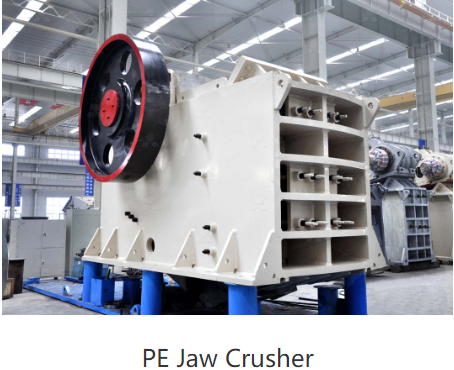
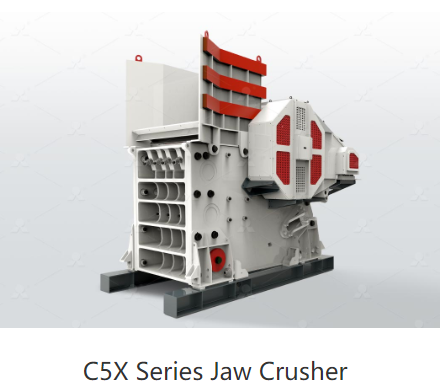
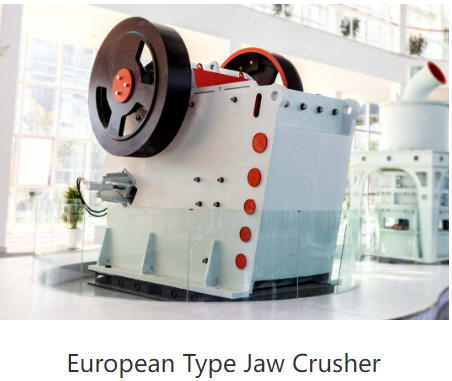
Jaw crusher inspection and maintenance
Cone crusher lubrication and wear-part inspection
Vibrating screen maintenance
Feeder inspection
Conveyor belt and pulley maintenance
Bearing inspection
Hydraulic system maintenance
Electrical and control system inspection
Wear-part replacement
Cleaning and lubrication
The goal is not simply to repair equipment after it breaks. Effective maintenance focuses on preventing failures before they affect production.
Why Is Preventive Maintenance Important in Mining?
Unexpected equipment failure can stop an entire production line.
For example, if a critical crusher stops operating, the downstream screening and conveying systems may also have to stop. The resulting loss is not limited to the cost of repairing the crusher. Production losses, labor costs, spare parts, and restart time can also increase the total cost.
Preventive maintenance helps mining operators:
Reduce unplanned downtime
Improve equipment availability
Extend component service life
Reduce emergency repair costs
Control spare-parts consumption
Maintain stable production capacity
Improve workplace safety
For high-capacity crushing plants, these benefits can have a significant impact on overall operating costs.
10 Ways to Improve Mining Equipment Maintenance
1. Establish a Regular Inspection Schedule
The first step is to create a clear inspection schedule for every major machine.
Daily inspections can focus on visible problems such as:
Oil leakage
Abnormal noise
Excessive vibration
Loose bolts
Damaged guards
Abnormal temperature
Conveyor belt deviation
Screen media damage
Weekly and monthly inspections can then cover components that require more detailed checks.
A written inspection checklist makes it easier for operators and maintenance teams to identify changes in equipment condition.
2. Monitor Crusher Wear Parts
Crusher wear parts are directly exposed to abrasive material and gradually lose their original profile.
For jaw crushers, important wear components include jaw plates.
For cone crushers, operators should pay close attention to the mantle, bowl liner, and other wear components.
Continuing to operate with severely worn liners can affect:
Crushing efficiency
Product shape
Product size distribution
Energy consumption
Crusher capacity
Wear parts should therefore be inspected regularly and replaced according to actual operating conditions rather than waiting for a sudden failure.
3. Maintain the Lubrication System
Proper lubrication is essential for many mining machines.
Insufficient, contaminated, or unsuitable lubricant can accelerate component wear and increase operating temperature.
A lubrication maintenance program should include:
Checking lubricant levels
Using the recommended lubricant
Monitoring oil temperature
Checking for contamination
Inspecting oil lines and seals
Replacing lubricant at the appropriate intervals
For cone crushers and other equipment with sophisticated lubrication systems, operators should pay particular attention to abnormal oil pressure and temperature.
4. Inspect Bearings Regularly
Bearings are critical components in crushers, vibrating screens, conveyors, and other rotating equipment.
Early signs of bearing problems may include:
Abnormal noise
Increased temperature
Excessive vibration
Lubricant leakage
Unusual movement
Ignoring these warning signs can result in more serious mechanical damage.
Regular inspection and correct lubrication can significantly reduce the risk of unexpected bearing failure.
5. Check Vibrating Screen Components
Vibrating screens operate continuously under dynamic loads, making regular inspection particularly important.
Maintenance teams should inspect:
Screen media
Bearings
Springs
Side plates
Drive components
Bolted connections
Structural components
Loose bolts or damaged components can cause abnormal vibration and may eventually lead to more serious structural problems.
Screen media should also be replaced when wear begins to affect screening efficiency.
6. Keep Feed Conditions Stable
Equipment maintenance is not limited to mechanical inspection.
Incorrect feed conditions can also increase equipment wear.
For example, feeding a crusher with material larger than its recommended feed size can increase mechanical stress. Uneven feeding can also reduce crushing and screening efficiency.
A stable feed system helps maintain consistent operating conditions and can reduce unnecessary equipment stress.
This is why feeders, hoppers, and material distribution systems should be included in the overall maintenance program.
7. Inspect Conveyor Systems
Conveyors often operate continuously for long periods, making small problems easy to overlook.
Regular conveyor inspection should include:
Belt condition
Belt alignment
Idlers
Pulleys
Bearings
Scrapers
Take-up systems
Drive units
A damaged or misaligned conveyor belt can cause material spillage, production interruptions, and additional maintenance work.
Early correction is generally much easier than repairing a major conveyor failure after production has stopped.
8. Manage Spare Parts Before They Are Needed
A maintenance strategy is incomplete without spare-parts planning.
Critical spare parts should be identified based on:
Equipment type
Operating hours
Material abrasiveness
Replacement frequency
Supplier lead time
Production importance
Common spare and wear parts may include jaw plates, cone crusher liners, screen media, conveyor components, bearings, belts, and lubrication-system components.
Keeping critical parts available can significantly reduce repair time when unexpected problems occur.
9. Record Equipment Operating Data
Maintenance decisions become more effective when they are based on actual operating data.
Useful information includes:
Operating hours
Production capacity
Motor current
Lubricant temperature
Bearing temperature
Vibration levels
Wear-part service life
Maintenance history
Failure frequency
Comparing current data with historical records can help identify abnormal trends before they become major problems.
For larger mining operations, condition monitoring and digital maintenance systems can further improve equipment management.
10. Train Operators to Identify Early Problems
Operators are often the first people to notice changes in equipment performance.
They should know how to identify common warning signs such as:
Unusual vibration
Changes in machine noise
Increasing temperature
Reduced crushing capacity
Abnormal product size
Oil leakage
Increased power consumption
A small problem reported early may require only a simple adjustment or component replacement. The same problem ignored for several weeks could result in an extended shutdown.
Preventive Maintenance vs. Reactive Maintenance
Mining operations generally use two basic maintenance approaches.
| Maintenance Strategy | Main Characteristic | Typical Result |
|---|---|---|
| Reactive maintenance | Repair equipment after failure | Higher downtime and emergency repair costs |
| Preventive maintenance | Inspect and service equipment regularly | Better reliability and predictable maintenance |
| Condition-based maintenance | Maintain equipment based on actual condition | More targeted maintenance and better resource utilization |
For modern crushing and screening plants, preventive and condition-based maintenance can be combined to create a more efficient maintenance strategy.
How Maintenance Affects Crusher Operating Costs
Equipment maintenance has a direct relationship with the cost per tonne of production.
Poor maintenance can lead to:
More wear → More downtime → Lower output → Higher cost per tonne
A well-maintained plant can work toward:
Regular inspection → Early problem detection → Stable operation → Higher availability → Lower operating cost
This does not mean every component should simply be replaced as early as possible. Over-maintenance can also increase costs.
The objective is to find the right balance between equipment condition, component service life, production requirements, and maintenance cost.
A Practical Maintenance Checklist for Crushing Plants
A basic crushing plant maintenance checklist can include:
Daily
Check oil and hydraulic systems
Inspect for leakage
Check abnormal noise and vibration
Inspect belts and guards
Check screen media
Remove accumulated material around equipment
Weekly
Inspect bolts and structural components
Check bearings
Inspect conveyor components
Check feeder condition
Review equipment operating data
Monthly
Inspect crusher wear parts
Check lubrication system condition
Inspect screen structure and drive components
Review spare-parts inventory
Analyze maintenance records
The exact maintenance interval should always follow the equipment manufacturer's recommendations and the actual working conditions.
How to Reduce Mining Equipment Downtime
Reducing downtime requires more than repairing equipment quickly.
A better strategy is to combine:
Proper equipment selection + correct installation + stable operation + preventive maintenance + spare-parts management
Equipment should be selected according to the material characteristics and required production capacity from the beginning.
For example, highly abrasive granite, hard iron ore, and wet sticky materials can require different equipment configurations and maintenance strategies.
The better the equipment matches the application, the easier it is to maintain stable production over the long term.
Maintenance Is Part of Crushing Plant Design
Maintenance requirements should be considered during the plant design stage.
A well-designed crushing plant should provide reasonable access for:
Wear-part replacement
Lubrication
Inspection
Equipment cleaning
Maintenance tools
Component removal
Easy maintenance access can reduce service time and improve overall equipment availability.
For large mining and aggregate projects, maintenance planning should therefore be considered together with capacity, equipment selection, material flow, and plant layout.
Frequently Asked Questions
How often should mining equipment be maintained?
The maintenance interval depends on the equipment type, operating hours, material characteristics, and working environment. Daily inspections should generally be combined with scheduled weekly, monthly, and periodic maintenance.
What is the most important part of crusher maintenance?
There is no single component that is most important for every crusher. Lubrication, wear-part condition, bearings, feed conditions, and operating parameters all have a major influence on crusher performance and service life.
How can crusher downtime be reduced?
Regular inspections, proper lubrication, timely wear-part replacement, stable feeding, condition monitoring, and sufficient spare-parts inventory can help reduce unplanned crusher downtime.
When should crusher wear parts be replaced?
Wear parts should be replaced when their condition begins to affect crushing performance, product quality, capacity, or safe operation. The replacement interval varies according to material abrasiveness, feed characteristics, operating hours, and crusher settings.
Is preventive maintenance cheaper than emergency repair?
In many mining applications, preventive maintenance can reduce the risk and cost of major failures. It also makes maintenance work more predictable and helps minimize production interruptions.
Conclusion
Mining equipment maintenance is a key part of achieving stable and cost-effective production.
Regular inspection, proper lubrication, wear-part management, bearing monitoring, conveyor maintenance, spare-parts planning, and operator training can all help reduce unplanned downtime and extend equipment service life.
For a complete crushing and screening plant, maintenance should not be treated as an isolated activity. Equipment selection, plant design, operating conditions, maintenance access, and spare-parts planning should work together from the beginning.
The goal is simple: keep the equipment running reliably, maintain the required production capacity, and control the cost of every tonne produced.