NEWS

LATEST Top 10 Mining Equipment Used in Modern Mining Operations

Mining operations rely on a wide range of heavy-duty equipment to extract, process, and transport valuable minerals efficiently. From drilling and excavation to crushing, screening, and material handling, each type of mining equipment plays an important role in improving productivity and reducing operating costs.

With the development of modern mining technology, mining companies are increasingly focusing on equipment that offers higher efficiency, lower energy consumption, better automation, and improved environmental performance.

This article introduces the top 10 mining equipment commonly used in modern mining operations and explains their applications in different mining and quarrying projects.


1. Excavators

Excavators are one of the most essential machines in mining operations. They are mainly used for:

  • Removing overburden

  • Digging and loading raw materials

  • Preparing mining sites

  • Feeding crushing plants

Modern hydraulic excavators provide powerful digging force, high mobility, and precise operation, making them suitable for open-pit mining, quarrying, and large construction projects.

Large mining excavators are often combined with dump trucks to create an efficient loading and transportation system.


2. Dump Trucks

Mining dump trucks are designed to transport large quantities of materials over long distances.

Their applications include:

  • Transporting ore from mining areas

  • Moving waste rock

  • Feeding processing plants

Compared with standard trucks, mining dump trucks feature:

  • Extremely high payload capacity

  • Strong structural design

  • Excellent performance under harsh conditions

For large-scale mines, efficient transportation systems can significantly reduce production costs.


3. Drilling Machines

Drilling equipment is widely used in mining and quarry operations to create blast holes before rock excavation.

Main applications include:

  • Rock drilling

  • Blast hole preparation

  • Geological exploration

Modern drilling machines improve:

  • Drilling accuracy

  • Operation efficiency

  • Safety performance

Proper drilling is the first step toward efficient rock fragmentation.


4. Blasting Equipment

Blasting plays an important role in hard rock mining.

It is used to break large rock formations into smaller pieces that can be excavated and processed.

Effective blasting helps:

  • Reduce oversized rocks

  • Improve crusher feed conditions

  • Lower downstream processing costs

A well-designed blasting system can improve the overall efficiency of a mining operation.


5. Crushers

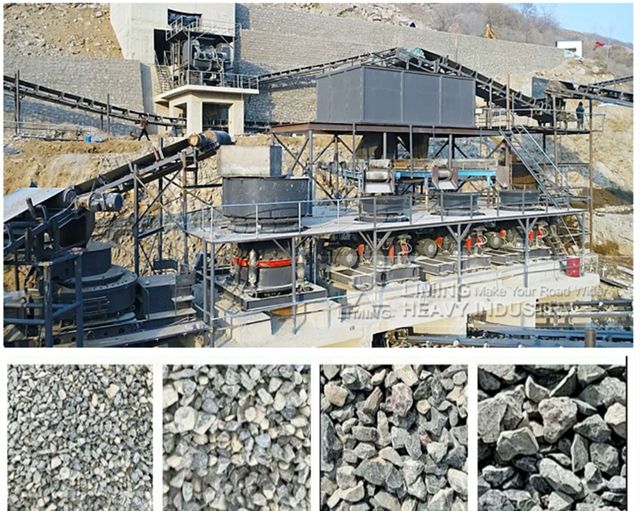
Crushing equipment is one of the core components of modern mining and aggregate production.

Crushers reduce large rocks into smaller sizes for further processing.

Common types include:

Jaw Crushers

Used mainly for primary crushing.

Advantages:

  • Large feed opening

  • Strong crushing capacity

  • Suitable for hard rocks

Applications:

  • Granite crushing

  • Basalt crushing

  • Iron ore processing

Cone Crushers

Used for secondary and fine crushing.

Advantages:

  • High crushing efficiency

  • Good particle shape

  • Low operating costs

Applications:

  • Aggregate production

  • Mining processing plants

Impact Crushers

Suitable for materials requiring excellent cubic shape.

Applications:

  • Limestone processing

  • Construction aggregates


6. Vibrating Screens

After crushing, materials need to be separated into different sizes.

Vibrating screens are used for:

  • Size classification

  • Product separation

  • Removing unwanted materials

Modern screening equipment improves:

  • Screening efficiency

  • Final product quality

  • Production stability

Multi-layer vibrating screens are widely used in aggregate plants to produce multiple specifications of finished materials.


7. Grinding Mills

Grinding equipment is essential in mineral processing operations.

Its purpose is to further reduce crushed materials into fine particles for mineral separation.

Common grinding equipment includes:

  • Ball mills

  • Vertical mills

  • Raymond mills

Grinding efficiency directly affects mineral recovery rates and production costs.


8. Mineral Processing Equipment

After crushing and grinding, minerals need to be separated from waste materials.

Common mineral processing equipment includes:

  • Flotation machines

  • Magnetic separators

  • Spiral classifiers

  • Concentrators

These machines are widely used for processing:

  • Gold ore

  • Copper ore

  • Iron ore

  • Lead-zinc ore

Advanced mineral processing technology helps improve recovery rates and economic benefits.


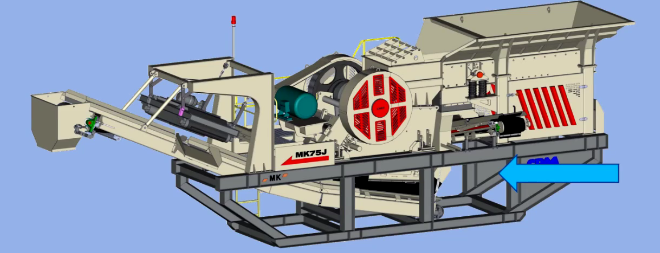
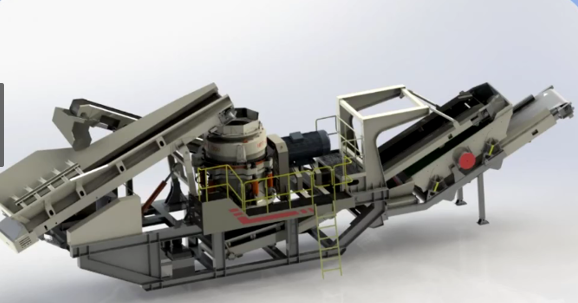
9. Mobile Crushing Plants

Mobile crushers have become increasingly popular in modern mining operations due to their flexibility.

Advantages include:

  • Easy transportation

  • Reduced installation costs

  • Shorter project preparation time

  • Flexible operation locations

Mobile crushing stations are ideal for:

  • Quarry operations

  • Construction waste recycling

  • Temporary mining projects

They allow operators to bring crushing equipment closer to the mining area, reducing material transportation costs.


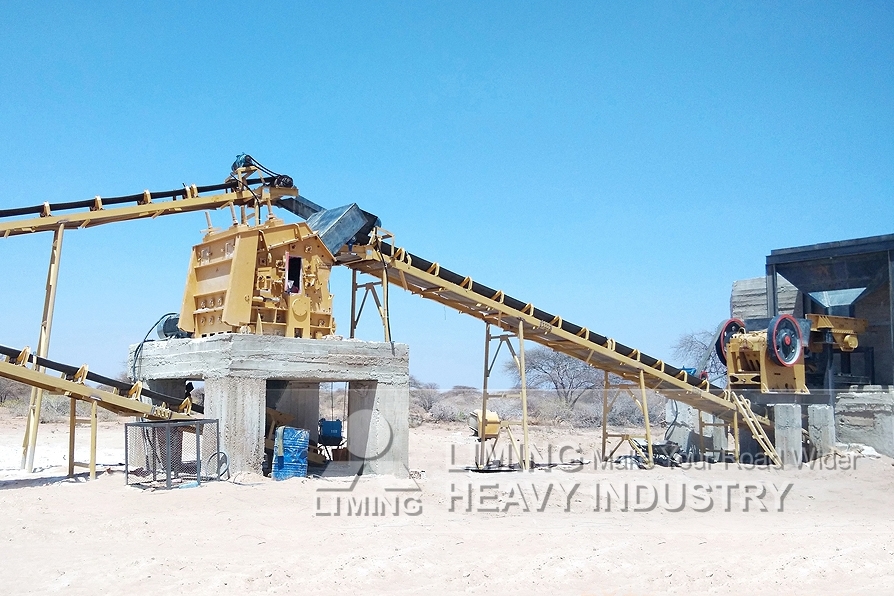
10. Belt Conveyors

Belt conveyors are widely used for continuous material transportation.

Applications include:

  • Connecting crushing stages

  • Moving processed materials

  • Stockpile management

Advantages:

  • High transportation efficiency

  • Lower labor requirements

  • Continuous operation capability

A properly designed conveyor system improves the overall workflow of a mining plant.


How to Select the Right Mining Equipment?

Choosing suitable mining equipment depends on several factors:

1. Material Characteristics

Consider:

  • Rock hardness

  • Abrasion level

  • Moisture content

  • Feed size

Hard rocks such as granite and basalt require stronger crushing equipment.

2. Production Capacity

Equipment selection should match the required output:

  • Small operations: 50–200 TPH

  • Medium operations: 200–500 TPH

  • Large mining projects: 500+ TPH

3. Operating Environment

Mining equipment must adapt to:

  • Weather conditions

  • Site conditions

  • Transportation requirements

  • Environmental regulations

4. Total Operating Cost

The best equipment is not always the cheapest option. Companies should consider:

  • Energy consumption

  • Wear part costs

  • Maintenance requirements

  • Equipment lifespan


Future Trends of Mining Equipment

Modern mining is moving toward smarter and greener operations.

Key trends include:

Automation Technology

Intelligent systems help monitor:

  • Equipment operation

  • Production data

  • Maintenance requirements

Energy Efficiency

New equipment focuses on:

  • Lower fuel consumption

  • Reduced emissions

  • Higher productivity

Remote Monitoring

Digital solutions allow operators to manage equipment performance remotely and improve operational reliability.

Mining equipment is the foundation of efficient mining and quarry operations. From excavation and transportation to crushing, screening, and mineral processing, each machine contributes to improving productivity and profitability.


Previous News

Maintenance Tips for Mobile Crushers

Proper maintenance of mobile crushers is essential to ensure their efficient operation, longevity, and safety for both the equipment and the personnel working with them. Regular maintenance practices can significantly extend the lifespan of mobile crushers and prevent unexpected breakdowns. Here are some maintenance tips to keep your mobile crushers in optimal condition:

Read the Manufacturer’s Manual: Familiarize yourself with the manufacturer’s guidelines and recommendations for maintenance. The manual will provide specific information about the crusher’s components, maintenance intervals, and procedures.

Create a Maintenance Schedule: Develop a comprehensive maintenance schedule that includes regular inspections, cleaning, lubrication, and major servicing tasks. Follow the schedule strictly to prevent neglecting important maintenance activities.

Inspect Regularly: Perform daily or pre-shift inspections before operating the mobile crusher. Look for signs of wear, damage, or loose components that might impact the machine’s performance. Pay close attention to conveyor belts, jaw plates, impact bars, and other wear parts.

Keep it Clean: Regularly clean the machine to prevent dust, dirt, and debris buildup. Accumulation of these materials can lead to premature wear and decreased efficiency. Use appropriate cleaning methods and avoid using high-pressure water, which could damage sensitive components.

Lubrication: Proper lubrication is crucial for reducing friction and extending the life of moving parts. Follow the manufacturer’s recommendations for lubrication frequency and the type of lubricant to use. Keep an eye on oil levels and ensure that all lubrication points are adequately covered.

Replace Wear Parts Timely: Components such as jaw plates, liners, and impact bars wear out over time. Monitor wear patterns and replace these parts before they become excessively worn, as worn parts can lead to inefficient crushing and potential breakdowns.

Tighten Loose Bolts: Regularly check and tighten any loose bolts, nuts, and fasteners. Vibration from the crusher’s operation can cause these to become loose over time, potentially leading to structural issues.

Check Electrical Systems: Inspect the electrical systems, including wiring, connections, and control panels, to ensure they are functioning properly. Electrical problems can lead to unexpected shutdowns or unsafe conditions.

Maintain Fluid Levels: Regularly check hydraulic fluid levels, coolant levels, and other fluid reservoirs. Keep them within the recommended operating range and change fluids as per the manufacturer’s recommendations.

Safety First: Always prioritize safety during maintenance activities. Follow lockout/tagout procedures to ensure that the crusher is safely isolated from power sources before performing maintenance. Provide proper training to maintenance personnel about safe practices.

Document Maintenance Activities: Keep detailed records of all maintenance activities, including inspections, repairs, and component replacements. This documentation helps track the machine’s history and informs future maintenance decisions.

Training and Education: Provide ongoing training to maintenance personnel to keep them updated on the latest maintenance practices and safety protocols. Well-trained personnel are more likely to identify and address potential issues early.

By following these maintenance tips, you can ensure that your mobile crushers operate efficiently, have a longer lifespan, and contribute to a safer working environment for everyone involved. Regular maintenance not only minimizes downtime but also maximizes the return on investment for your equipment.

The Ultimate Guide to White Vermiculite Milling: Process and Applications

Vermiculite, a naturally occurring mineral with remarkable properties, has found its place in various industries due to its exceptional heat resistance, lightweight nature, and insulating properties. Among its diverse applications, white vermiculite stands out as a particularly valuable material. This comprehensive guide explores the milling process of white vermiculite and delves into its wide range of applications.

Understanding White Vermiculite

White vermiculite is a hydrous phyllosilicate mineral that undergoes significant expansion when heated. It originates from the alteration of biotite or phlogopite mica, and the resultant material is characterized by its accordion-like layers that trap air within, resulting in its unique lightweight and insulating properties. The mining and processing of white vermiculite involve several steps, with milling being a crucial stage.

The Milling Process

Milling is a fundamental process in the vermiculite industry, as it significantly influences the final properties and applications of the material. The process involves reducing the raw vermiculite ore into finer particles, which enhances its expansibility and alters its surface properties. The primary steps in the milling process include:

  1. Crushing: The mined vermiculite ore is first crushed into smaller pieces using crushers or grinding machines. This initial size reduction prepares the ore for further processing.

  2. Grinding: The crushed vermiculite is then ground into a finer powder through grinding mills. This step further breaks down the material, increasing its surface area and ensuring uniform particle size distribution.

  3. Classification: The ground vermiculite particles are classified or separated based on their size using various techniques such as sieving or air classification. This helps in achieving the desired particle size range for specific applications.

  4. Drying: To remove any moisture present in the milled vermiculite, the material is carefully dried. Moisture removal is essential to prevent clumping and to enhance the material’s performance in certain applications.

  5. Surface Treatment: Depending on the intended application, the milled vermiculite may undergo surface treatment to modify its properties. This could involve coating the particles with additives to enhance their fire resistance, adhesion, or other characteristics.

Applications of White Vermiculite

White vermiculite finds application in various industries, thanks to its unique properties obtained through the milling process. Some notable applications include:

  1. Insulation Materials: White vermiculite’s lightweight and insulating qualities make it an excellent component for insulation materials used in construction and industrial settings.

  2. Horticulture: The material’s water-retention properties make it a valuable addition to soil mixes, aiding in moisture management and promoting healthy plant growth.

  3. Fireproofing: Due to its natural resistance to high temperatures, white vermiculite is used in fireproofing applications, such as fire-resistant coatings and insulation materials.

  4. Packaging: In its expanded form, vermiculite is used as a protective packaging material for fragile items during shipping.

  5. Agriculture: Vermiculite is used in agricultural applications to improve soil structure, water retention, and nutrient delivery to plants.

  6. Industrial Absorbents: Its absorbent nature makes vermiculite suitable for various industrial spill cleanup and containment applications.

  7. Personal Care and Cosmetics: Due to its soft texture and absorbent properties, vermiculite can be found in cosmetics and personal care products.

Environmental Considerations

While vermiculite offers numerous benefits, it’s important to consider environmental impact. Mining and processing should be conducted responsibly to minimize any negative effects on ecosystems and local communities.

Conclusion

The milling process plays a pivotal role in unlocking the potential of white vermiculite, turning it into a versatile material with applications ranging from construction to horticulture, and from fireproofing to personal care. Understanding the milling process and its impact on vermiculite’s properties empowers industries to harness its unique qualities effectively and sustainably. As technology and research continue to advance, white vermiculite is likely to find even more innovative applications across diverse sectors.


A Comprehensive Guide to Choosing the Right Stone Crusher for Your Mining Operations

Introduction

In the ever-expanding world of mining operations, the selection of the appropriate stone crusher plays a crucial role in optimizing productivity, efficiency, and profitability. As a mining engineer, your expertise lies not only in extracting valuable minerals but also in selecting the right equipment to process the extracted materials. This article will provide a comprehensive guide on how to choose the ideal stone crusher for your specific mining needs.

  1. Understand Your Requirements

The first step in selecting the right stone crusher is to understand the requirements of your mining operation. Consider the type of material you need to crush, its size, hardness, and moisture content. Determine the desired output size and production capacity, as these factors will significantly influence your crusher selection.

  1. Evaluate Crushing Application

Different mining operations have varied crushing needs. Primary crushing requires heavy-duty machinery capable of handling large rocks and reducing them to a manageable size. Secondary and tertiary crushing may require more specialized equipment to achieve finer product sizes. Analyze your crushing application carefully to identify the type of stone crusher best suited for the task.

  1. Types of Stone Crushers

a. Jaw Crusher: Ideal for primary crushing, jaw crushers are known for their durability and high efficiency. They can handle a wide range of materials, including abrasive ones, and offer excellent reduction ratios.

b. Cone Crusher: Best suited for secondary and tertiary crushing, cone crushers provide excellent particle shape and are well-adapted to handle high-temperature materials. They are also effective for crushing abrasive rocks.

c. Impact Crusher: Suitable for materials with low or medium hardness, impact crushers deliver cubic-shaped end products and are often used for recycling applications.

d. Gyratory Crusher: Primarily used for very hard and abrasive materials, gyratory crushers have a higher initial cost but are durable and efficient for large-scale operations.

  1. Consider Maintenance and Operating Costs

Apart from the initial cost of the crusher, consider the long-term expenses associated with maintenance and operation. Choose a stone crusher that is easy to maintain and repair, as this will ensure smooth operation and reduce downtime, ultimately increasing productivity and profitability.

  1. Opt for Energy Efficiency

Energy efficiency is becoming a crucial factor in modern mining operations. Select a stone crusher with energy-efficient features to reduce overall energy consumption, which will not only lower operating costs but also contribute to sustainable mining practices.

  1. Safety Features

Safety should always be a top priority in mining operations. Look for stone crushers with adequate safety features such as protective guards, emergency stop buttons, and ergonomic design to minimize the risk of accidents and ensure a safe working environment.

  1. Consider Environmental Impact

Mining companies are increasingly conscious of their environmental footprint. Choose a stone crusher that adheres to environmental regulations and has efficient dust suppression and noise reduction measures. Minimizing the impact on the surrounding ecosystem will benefit both your operation and the local community.

Conclusion

Selecting the right stone crusher for your mining operations is a critical decision that requires careful consideration of various factors. Understand your requirements, evaluate the application, and choose a crusher that aligns with your production goals, maintenance capabilities, and sustainability objectives. By making an informed choice, you can optimize your crushing process and enhance the overall efficiency and profitability of your mining operation.

Fly Ash Powder Mills Options

A fly ash powder mill refers to a machine or facility used to grind and process fly ash into fine powder particles. Fly ash is a byproduct of burning pulverized coal in electric power generating plants and other industrial processes. It consists of tiny, spherical particles, primarily composed of silica, alumina, and iron.

The grinding of fly ash into a fine powder is beneficial because it can be used as a supplementary cementitious material in the production of concrete. When mixed with cement and water, fly ash can improve the properties of concrete, such as workability, strength, durability, and reduced heat of hydration.


The process of grinding fly ash into powder typically involves using a grinding mill, which can be of various types. Some common types of grinding mills used for this purpose include:

Ball Mill: A ball mill is a cylindrical device used in grinding materials like ores, chemicals, ceramic raw materials, and fly ash. The mill rotates around a horizontal axis, partially filled with the material to be ground plus the grinding medium (usually steel balls). As the ball mill rotates, the material is crushed and ground into a fine powder.

Vertical Roller Mill (VRM): A VRM is a type of industrial equipment used to crush or grind materials into small particles. It consists of a rotating table and grinding rollers, which apply pressure to the material as it passes through them, resulting in the desired fine powder.

Raymond Mill: Raymond mill is a traditional mill that can be used to grind non-flammable and non-explosive materials, including fly ash. It operates on the principle of suspension grinding, where the materials are crushed and ground between the rollers and the grinding ring.

Ultrafine Mill: An ultrafine mill is a specialized milling machine capable of producing ultrafine powder particles, often used for finer grinding of fly ash to achieve specific fineness requirements.

The choice of the specific fly ash powder mill depends on various factors, such as the required particle size, production capacity, and the characteristics of the fly ash being processed. Additionally, environmental factors and the final application of the fly ash powder may also influence the selection of the appropriate mill.

It’s important to note that specific details about the latest developments or models of fly ash powder mills can be found by the online help. And you can also send you requirement at the bottom of this website for latest quotations and suggestions.

For the most up-to-date information on available fly ash powder mills, I recommend checking with manufacturers, suppliers, or conducting a search online.

Turn tire pyrolysis into profitable carbon black powder

Carbon black is a material produced by the incomplete combustion of hydrocarbons such as heavy oil and other petroleum products. Pyrolysis carbon black powder is a fine black powder that is commonly used in the production process of materials such as rubber, plastics, paints, inks and printing inks to increase their color, strength and abrasion resistance. Carbon black powder is widely used in industry due to its excellent ability to dye and enhance the properties of materials.

The pyrolysis tire carbon black produced by pyrolysis of waste tires is a granular coarse powder of 40-80 mesh, which cannot be used directly. It needs to be ground and processed by a tire carbon black mill to expand its use. The added value of tire slag carbon black is very high after being finely ground by tire carbon black mill.


Dawn focuses on the development of waste tire carbon black mill, developed LUM ultra-fine vertical mill for waste tire pyrolysis carbon black, MTW European version of carbon black powder, carbon black ultra-fine mill and other different types of equipment.
The ultra-fine carbon black mill can produce powder up to 5um, N550, N660,N774 and other semi-reinforced carbon black with high output and stable performance.

Welcome to consult online and get the processing plan.

200 mesh medium-speed coal pulverizer

Model: coal mill
Applicable materials: cement, coal, feldspar, calcite, talc, iron ore, copper ore
Application fields: suitable for cement, electric power, metallurgy, chemical industry, non-metallic mines, etc.
Production capacity: 2000-120000kg/h
Spindle speed: 870r/min
Feed particle size: ≤65mm
Motor power: 45kW~2240kW
Discharge particle size: 80-425 mesh/0.17-0.033mm
Dimensions: 4.5644.545.65(m)
Weight: 3000-120000(kg/h)
Grinding degree: fine grinder
Material moisture content: below 15%
Principle: roller mill
Maximum material hardness: grade 9


LM vertical coal mill (one-step preparation process – grinding while drying)

The whole system of LM vertical coal mill  is the core of the project. It integrates crushing, drying, grinding, and grading and conveying. The large-scale milling equipment condenses stable technological elements, equipped with CO-O2 online analysis system, grinding roller hydraulic device, and automatic electronic control device, making the whole milling process intelligent, convenient, energy-saving and environmentally friendly.

Scope of application: It is suitable for users who require a large output of coal powder and petroleum coke powder.

Capacity range: 5-100T/H


You can contact us through online message or business contact, free customization of exclusive production line.

Calcium Oxide Milling Project

Equipment model and number: 1 MTW178G European version mill

Processing material and fineness: calcium oxide, calcium hydroxide residue 200 mesh


project description
This project is still the first in the field of flue gas dust removal and desulfurization in the lead-zinc pyrometallurgy industry. It has the role of leading and demonstrating in the industry, among which many technologies such as flue gas pre-absorption technology and energy-saving technology are original. The project adopts ionic liquid circulation absorption flue gas desulfurization technology, the desulfurization efficiency can reach 99.5%, and the desulfurization efficiency can be adjusted flexibly.

Quartz stone powder making project

Project Status

Equipment model and number: 3 MTW178G European version mills

Processing material and fineness: quartz stone 325 mesh


Project description

Quartz stone is a non-metallic mineral. It is a hard, wear-resistant and chemically stable silicate mineral. It is mechanically processed to produce quartz sand and quartz powder. It is widely used in glass, casting, ceramics and refractory materials, Ferrosilicon smelting, metallurgical flux, metallurgy, construction, chemical industry, plastics, rubber, abrasives and other industries.

If you have any needs or questions, please leave a message, we will reply you as soon as possible after receiving it!

  • Home
  • Prev
  • ···1415161718
  • Last
Clicky