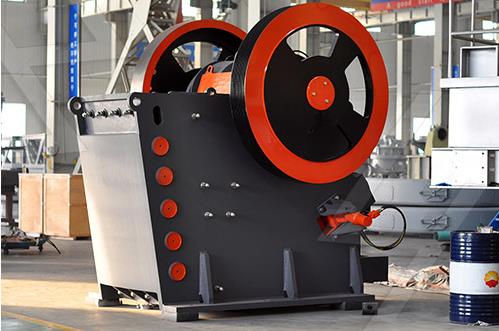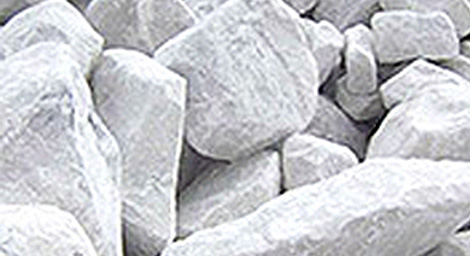
Selecting the right primary crusher is one of the most critical decisions in any mining project. The primary crusher is responsible for reducing large run-of-mine (ROM) material into manageable sizes for downstream processing, directly impacting plant capacity, operating costs, and overall efficiency.
A poor selection can lead to frequent downtime, excessive wear, and increased energy consumption. This guide explains the key factors to consider when choosing the most suitable primary crusher for your mining operation.
1. Understand the Role of Primary Crushing
Primary crushing is the first stage of size reduction in a crushing plant.
Its main objectives are:
Handle large feed sizes directly from the mine
Reduce material to a size suitable for secondary crushing
Ensure stable and continuous material flow
Common primary crushers include:
Jaw crushers
Gyratory crushers
(In some cases) impact crushers for softer materials
2. Evaluate Material Characteristics
The type of material being processed is the most important factor.
Key properties to consider:
Hardness (e.g., granite vs limestone)
Abrasiveness
Moisture content
Clay content
Rock structure and fracture behavior
General guidelines:
Hard and abrasive rocks → Jaw crusher or gyratory crusher
Medium-hard rocks → Jaw crusher
Soft materials → Impact crusher (limited use in mining)
Understanding material properties helps prevent excessive wear and ensures efficient crushing.
3. Determine Feed Size and Required Output Size
The size of the raw material and the required output size directly influence crusher selection.
Large feed size → Requires a crusher with a wide feed opening
Smaller output requirement → May require additional crushing stages
Jaw crushers are ideal for handling large feed sizes, while gyratory crushers are preferred in high-capacity operations.
4. Consider Required Capacity (TPH)
Production capacity is a key selection factor.
Typical recommendations:
Small to medium capacity (100–800 TPH)
→ Jaw crusherLarge capacity (1000+ TPH)
→ Gyratory crusher
Gyratory crushers provide continuous crushing and higher throughput, making them suitable for large-scale mining operations.
5. Installation and Site Conditions
Site conditions often determine whether a crusher is practical.
Consider:
Available space
Foundation requirements
Transportation access
Altitude and climate conditions
Jaw crushers are generally easier to install and require less infrastructure, while gyratory crushers require more complex foundations.
6. Operating and Maintenance Costs
Total cost of ownership is more important than initial investment.
Jaw Crushers:
Lower initial cost
Simple maintenance
Lower installation cost
Gyratory Crushers:
Higher initial investment
Higher capacity
Lower cost per ton in large-scale operations
Selecting the right crusher depends on balancing capital cost and long-term efficiency.
7. Reliability and Operational Stability
Primary crushers must operate under harsh conditions.
Key considerations:
Equipment durability
Ability to handle variable feed
Resistance to shock loads
Minimal downtime
Reliable primary crushing ensures smooth operation of the entire processing plant.
8. Integration with the Overall Crushing System
Primary crusher selection should align with downstream equipment.
Consider:
Secondary crusher type
Screening system
Material handling system
A well-matched system improves overall efficiency and reduces bottlenecks.
9. Environmental and Safety Considerations
Modern mining projects must meet environmental and safety standards.
Important factors:
Dust control systems
Noise levels
Safety protection mechanisms
Automation and monitoring systems
Proper crusher selection helps meet regulatory requirements and improve workplace safety.
Conclusion
Choosing the right primary crusher requires a comprehensive evaluation of material properties, capacity requirements, site conditions, and long-term operating costs. There is no universal solution—each mining project requires a customized approach.
A properly selected primary crusher ensures:
Stable production
Reduced operating costs
Improved overall plant efficiency
With the right equipment and engineering support, mining operations can achieve long-term productivity and profitability.